 EVE卫浴
EVE卫浴
How Do You Change a Kitchen Faucet Filter Yourself (Without a Plumber)?
浏览次数:340 分类:Install
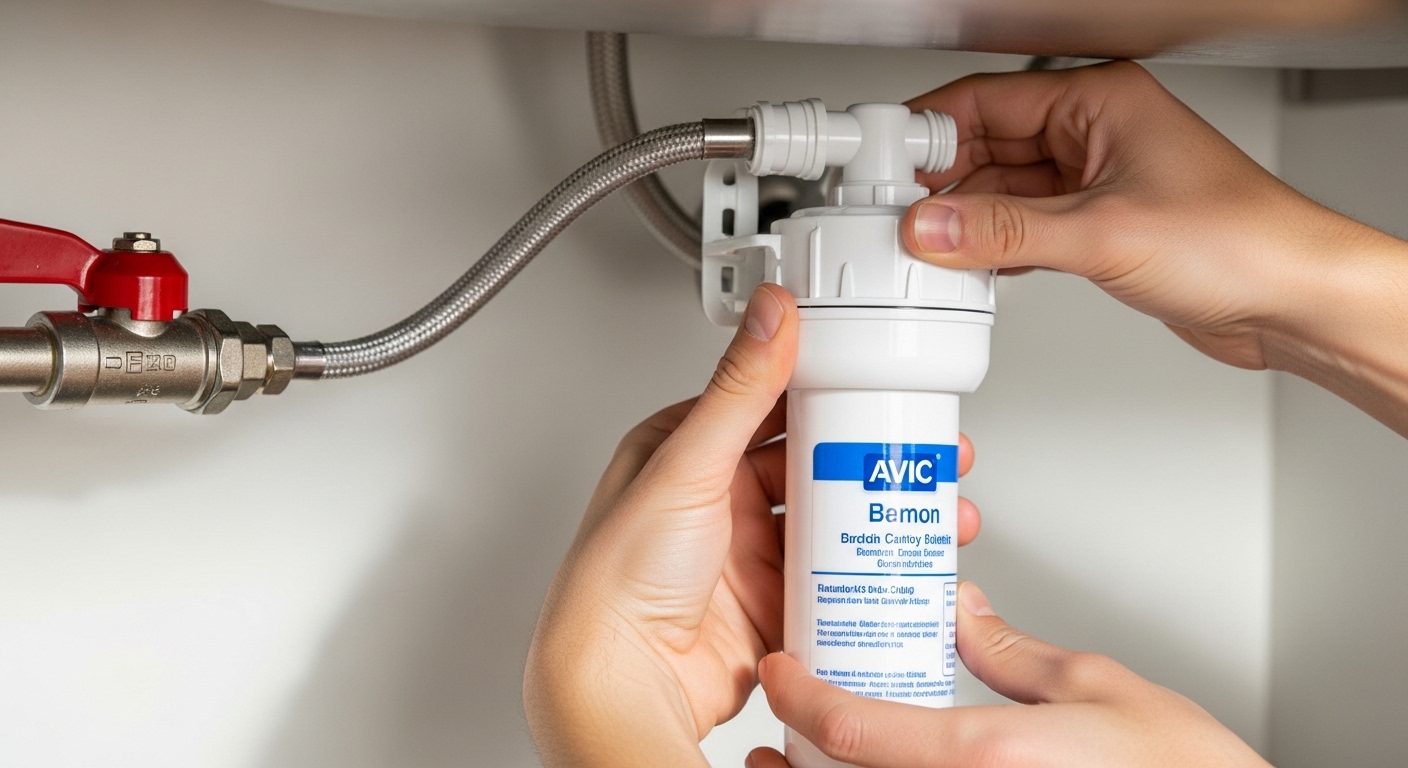
Learning how to change a kitchen faucet filter is one of those small maintenance jobs that feels intimidating the first time and then becomes a two-minute habit. The truth is that most kitchen faucet filters — whether they screw onto the spout, clip onto the aerator, or live in a canister under the sink — are designed to be swapped by hand by a regular homeowner, no plumber and no special tools required. Below, we’ll walk through exactly how to identify which type of filter you have, how to remove and replace it cleanly, how often to do it, and how to avoid the two or three mistakes that cause leaks or bad-tasting water afterward.
This guide comes from the EveFaucet workshop, where we test faucet cartridges, aerators, and filter assemblies against NSF/ANSI 42 and 53 flow and contaminant-reduction benchmarks. We’ll keep it plain and practical.
What kind of kitchen faucet filter do you actually have?
Before you change anything, figure out which of the three common filter types you’re dealing with, because the removal steps differ. Most home kitchens have one of these: a faucet-mounted filter, an aerator-integrated filter, or an under-sink inline/canister filter.
- Faucet-mounted filter: A small plastic housing (PUR, Brita, and similar) that clamps onto the end of your spout with a diverter you flip to switch between filtered and unfiltered water. The cartridge pops out of the housing.
- Aerator-integrated filter: Some kitchen faucets hide a light-duty screen or carbon disc right where the aerator screws on. If your “filter” is basically the tip of the spout, this is you.
- Under-sink inline or canister filter: A cylindrical cartridge in a housing plumbed into the cold supply line, usually feeding a dedicated drinking tap or the main faucet. This is the most common “whole-faucet” filtration setup and the one people mean when they say the water tastes off.
Not sure which you have? Look under the sink first. If you see a canister or an inline cartridge spliced into the water line, that’s your filter. If under the sink is bare but there’s a bulky attachment on the spout, it’s faucet-mounted. If neither, your filtration is likely built into the aerator or you’re relying on a pitcher.
How do you change an under-sink kitchen faucet filter step by step?
To change an under-sink kitchen faucet filter, turn off the cold-water shutoff valve feeding the filter, relieve pressure by opening the filtered tap, unscrew the filter housing or twist the quick-change cartridge a quarter turn, swap in the new cartridge, then restore water and flush. Here’s the full sequence.
- Shut off the water. Find the small shutoff valve on the cold line under the sink and turn it clockwise until it stops. If there’s no dedicated valve, shut off the main.
- Relieve pressure. Open the filtered-water tap and let it run dry for a few seconds so the line isn’t pressurized when you open the housing.
- Place a towel and a shallow pan. Even a “empty” cartridge holds a cup or two of water. Catch it.
- Remove the old cartridge. Twist-and-lock (quick-change) cartridges rotate a quarter turn and drop straight down. Housing-style filters need the sump bowl unscrewed with the plastic wrench that came with the unit.
- Check the O-ring. On canister systems, wipe the O-ring, inspect it for nicks, and add a thin smear of food-grade silicone grease. A dry or pinched O-ring is the #1 cause of post-change drips.
- Install the new cartridge. Match the flow-direction arrow to the one on the housing. Seat it firmly and hand-tighten — snug, not gorilla-tight.
- Turn the water back on slowly. Open the shutoff gradually and watch for leaks at the housing seam and fittings.
- Flush the new filter. Run the filtered tap for 5–10 minutes (or per the manufacturer’s spec) to clear carbon fines. The first flush often looks cloudy or gray — that’s harmless carbon dust, not a defect.
If you notice the faucet itself sputtering or losing pressure afterward, the issue is usually air in the line or a partially seated cartridge — not the filter media. And if your pull-out spray head acts up around the same time, that’s a separate mechanism worth checking; our guide on why a pull-out kitchen faucet stops working covers those symptoms.
How do you change a faucet-mounted or aerator filter?
To change a faucet-mounted filter, press the release button or unclip the housing, pull the spent cartridge straight out, rinse the housing, snap in the new cartridge until it clicks, and run cold water for 5 minutes to activate it. Aerator-type filters simply unscrew from the spout tip by hand.
Faucet-mounted units (PUR, Brita, etc.) almost never need tools. The cartridge indexes one way, so if it won’t seat, rotate it 180°. Reset the change indicator light if your model has one — otherwise it’ll keep nagging you.
For the aerator-integrated style, grip the aerator with a soft cloth or rubber jar-opener, turn counterclockwise (righty-tighty, lefty-loosey as you face up into the spout), and it backs off. Inside you’ll find a stack: the outer housing, a small screen, and sometimes a carbon disc. Replace the media, keep the parts in order, and reassemble. Because this overlaps so heavily with routine aerator care, it’s worth reading our workshop guide on why a faucet aerator keeps getting clogged — a “filter problem” is often just a mineral-clogged screen. Likewise, if the whole spout tip is crusted white, clean it first following our steps for removing hard-water buildup without wrecking the finish.
How often should you replace a kitchen faucet filter?
Replace a kitchen faucet filter every 2 to 6 months depending on the type and your water usage — most carbon cartridges are rated for a set number of gallons, and hard or sediment-heavy water shortens that life. Here’s a realistic breakdown by type.
| Filter type | Typical rated life | Real-world replacement | Tools needed |
|---|---|---|---|
| Faucet-mounted carbon | ~100 gallons | Every 2–3 months | None |
| Aerator carbon disc / screen | Varies / clean-as-needed | Every 3–4 months | Cloth or jar-opener |
| Under-sink inline carbon | ~500–1,000 gallons | Every 6 months | None or plastic wrench |
| Under-sink sediment pre-filter | ~3–6 months of use | Every 3–6 months | Housing wrench |
| Reverse-osmosis carbon stages | ~1 year | Annually (RO membrane 2–3 yrs) | Housing wrench |
Don’t wait for the water to taste bad — by then the carbon is exhausted and you may be pushing trapped contaminants back through. The better signals are a noticeable drop in flow rate (clogged sediment filter) or simply hitting the calendar/gallon rating. If your household drinks a lot of filtered water or you have well water with sediment, replace on the early end of each range.
Signs your filter is overdue
- Slower flow from the filtered tap than when the cartridge was new.
- A returning chlorine smell or metallic/earthy taste.
- The change-indicator light or gallon counter has tripped.
- Visible discoloration or slime on a clear housing.
Do you need to turn off the water to change a kitchen faucet filter?
Yes for under-sink canister and inline filters — you must shut the cold-water valve first, or you’ll get a soaking when the housing opens. No for faucet-mounted and aerator filters, since those sit downstream of a closed tap and hold almost no pressure. When in doubt, shutting the valve costs you 20 seconds and saves you a flooded cabinet.
A quick note on shutoff valves: if the under-sink valve is stuck or won’t fully close, don’t force it and crack it. Turn off the main instead, and consider replacing that valve later. A valve that won’t seat is a small problem now and a burst-line emergency later — the same logic behind acting fast on any faucet that won’t turn off.
What mistakes should you avoid when changing a faucet filter?
The most common mistakes are overtightening the housing (which pinches and deforms the O-ring), installing the cartridge backward against the flow arrow, forgetting to flush out the carbon fines, and reusing a cracked or dried-out O-ring. Any one of these gives you a leak, gray water, or reduced filtration.
- Overtightening: Hand-snug is the spec. Wrenching a plastic housing down cracks threads and crushes seals.
- Ignoring flow direction: Inline cartridges are directional. The arrow points the way water flows — get it wrong and you shorten filter life and hurt performance.
- Skipping the flush: New carbon sheds fine black dust. Flush until it runs clear, or you’ll drink cloudy water and clog your aerator downstream.
- Old O-rings: Replace or grease them every change. They’re cheap; leaks are not.
- Wrong cartridge: “Universal” isn’t always universal. Match the model number, not just the shape.
Filters attach to the very components that fail first on a busy kitchen faucet. If your spray hose is aging or kinked, tackle it in the same session — here’s how to handle a kitchen faucet pull-out hose replacement so you’re not back under the sink next weekend.
What does a good replacement filter actually cost, and is it worth it?
Replacement kitchen faucet filters typically cost $8–$25 for faucet-mounted cartridges, $20–$60 for under-sink inline or sediment cartridges, and $60–$120 per year for a multi-stage or reverse-osmosis system’s consumables. Against bottled water or a service call, DIY replacement pays for itself almost immediately.
The math is simple: a plumber visit to swap a cartridge you could change in ten minutes runs far more than the cartridge itself. The only reasons to call a pro are a seized housing, corroded fittings, or a filter tied into a system you’re not comfortable depressurizing. Everything in this guide is well within a confident DIYer’s reach.
FAQ
Can I change a kitchen faucet filter without any tools?
Usually yes. Faucet-mounted and quick-change under-sink cartridges are designed for tool-free, hand-tight replacement. Only housing-style canisters and some aerators need help — a plastic sump wrench or a rubber jar-opener for grip. If you’re straining or reaching for a metal wrench on plastic, stop; you’re likely turning the wrong part or the wrong direction.
Why is my water cloudy or gray after changing the filter?
That’s harmless carbon dust (carbon fines) shedding from a fresh cartridge. Run the filtered tap for 5–10 minutes until it runs clear. If cloudiness looks white and clears from the bottom up in a glass, that’s just air in the line and also normal. Persistent gray water after a full flush means the cartridge may be defective — replace it.
Do I need to sanitize the housing when I replace the cartridge?
For under-sink canister systems, it’s a good idea every second or third change. Wash the sump bowl with warm soapy water, and for a deeper clean wipe it with a diluted food-safe sanitizer, then rinse thoroughly before installing the new cartridge. Never install a fresh filter into a slimy or biofilm-coated housing — you’ll contaminate the new media immediately.
Can I use a generic or off-brand replacement cartridge?
Often yes, if it’s certified to the same NSF/ANSI standard (42 for taste/chlorine, 53 for lead and health contaminants) and physically matches your housing. Verify the model compatibility and the certification, not just the price. A cheaper cartridge that isn’t certified may fit but won’t reduce what it claims — and a poorly molded generic can leak at the O-ring.
My faucet lost water pressure right after I changed the filter — what’s wrong?
Nine times out of ten it’s a cartridge that isn’t fully seated, an air pocket, or a new sediment filter doing its job on a line that was already partly clogged. Re-seat the cartridge, make sure the shutoff is fully open, and run the tap to purge air. If pressure is still low, check the aerator for dislodged carbon fines, which commonly migrate up and clog the screen after a filter change.
Does changing the filter affect my faucet’s warranty?
No — replacing consumable filter cartridges is routine, expected maintenance and doesn’t void a faucet or filter-system warranty. In fact, most manufacturers require timely filter changes to keep the warranty valid. Just use compatible, certified cartridges and don’t modify the housing. Keep your purchase records in case you ever need to make a claim on the faucet or filter head itself.
Author note: This guide was written and field-tested by the EveFaucet product team, who design and pressure-test kitchen faucets, aerators, and filter assemblies to NSF/ANSI 42 and 53 flow and contaminant-reduction standards. EveFaucet has manufactured kitchen and bathroom fixtures for over a decade, and every cartridge interface we ship is validated for hand-tight, tool-free replacement and backed by our warranty. When in doubt, follow your specific filter model’s instructions — but the principles above hold for virtually every kitchen faucet filter on the market.