 EVE卫浴
EVE卫浴
How Do You Put a Tub Spout In Yourself Without Calling a Plumber?
浏览次数:240 分类:Install
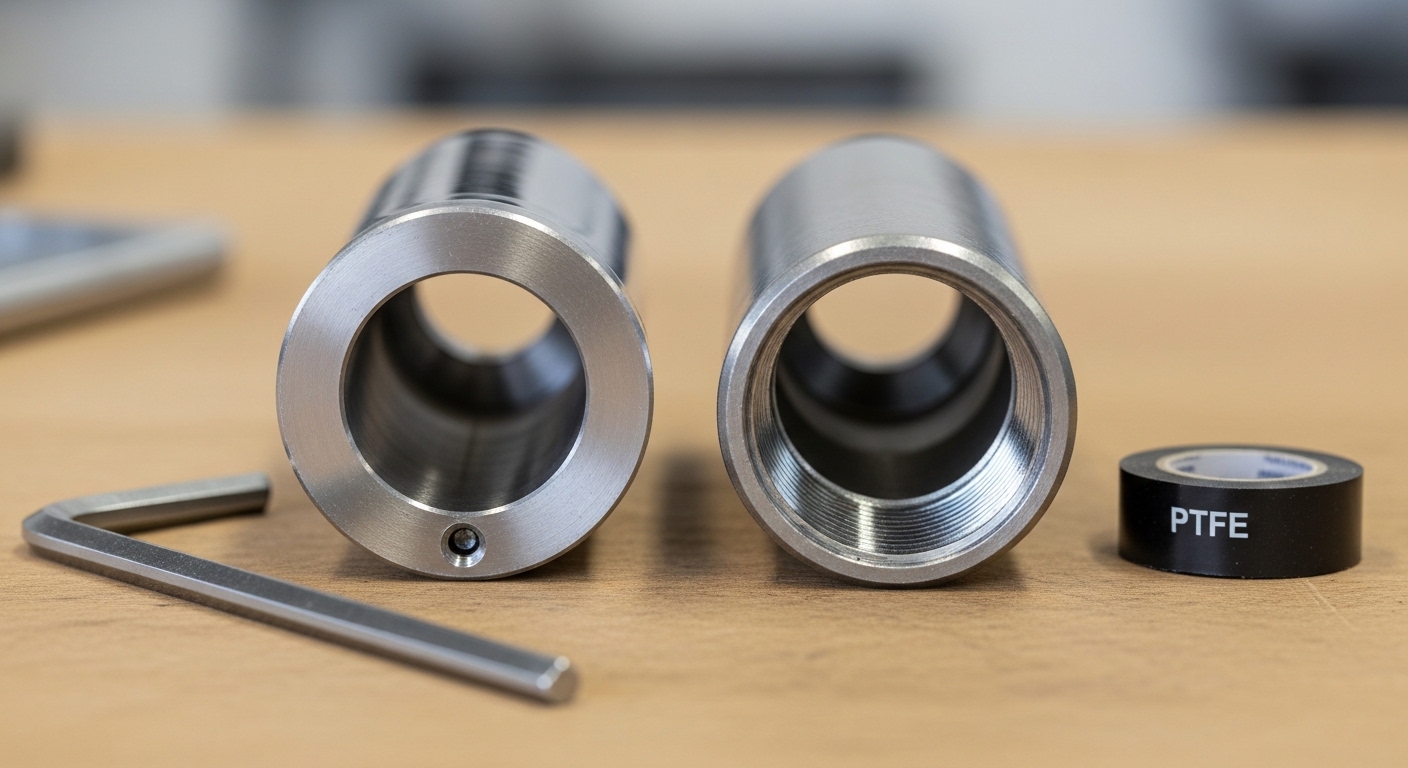
If you’ve ever wondered how to put a tub spout in after the old one cracked, started dripping, or just looked tired, the good news is that this is one of the friendliest plumbing jobs in the entire bathroom. There’s no soldering, no shutting off the whole house in most cases, and no expensive specialty tools. The catch — and the reason so many people get stuck halfway through — is that “tub spout” isn’t one single thing. There are two completely different mounting styles, and using the wrong technique on the wrong spout is exactly how you end up with a wobbly, leaking spout or a stripped pipe. This guide walks you through identifying your type, getting the right replacement, and installing it cleanly the first time.
At EveFaucet, we’ve shipped and tested thousands of tub and shower fixtures, and the questions we get about spout installs are almost always the same handful. So below, we answer the real ones — the exact things people type into Google and ask in hardware-store aisles — with concrete steps, measurements, and the small details that separate a leak-free job from a callback.
What kind of tub spout do I actually have — slip-on or threaded?
Before you buy anything, figure out your mounting type, because slip-on and threaded spouts are not interchangeable. The fastest way to tell: look underneath the spout near the wall. If you see a small hole with a tiny set screw (usually a 1/8″ or 3/32″ hex/Allen screw), you have a slip-on spout. If there’s no set screw anywhere on the body, it’s a threaded spout that screws directly onto a pipe.
Here’s why it matters. A slip-on spout slides over a smooth 1/2″ copper stub-out that sticks out of the wall, and the set screw clamps it in place. A threaded spout, by contrast, spins onto a threaded brass or galvanized nipple. If you try to thread a slip-on spout onto a nipple, it won’t grab; if you try to slide a threaded spout onto bare copper, it’ll never lock down. When in doubt, take the old spout off first (we cover that below) and look at what’s behind it — the pipe itself tells you everything.
One more variable: spout length, also called the “nipple length” or “wall-to-thread” distance. Spouts come in different lengths to match how far your pipe protrudes from the finished wall. Measure from the wall surface to the end of the pipe, then measure your old spout, before ordering a replacement — a spout that’s too short for a deeply recessed pipe simply won’t reach.
What tools and parts do I need to put a tub spout in?
You need surprisingly little. For most installs, a hex key, plumber’s tape, and a clean rag will cover it. Here’s the full short list so you can gather everything before you start instead of running back to the store mid-job:
- Hex/Allen key set — for slip-on spouts (the set screw is usually 1/8″ or 3/32″).
- PTFE plumber’s tape (Teflon tape) — for threaded spouts, to seal the threads.
- 100% silicone caulk — a thin bead where the spout meets the wall keeps water out of the wall cavity.
- Clean cloth and an old toothbrush — for removing mineral crud and old caulk.
- Adjustable wrench or strap wrench — only if a threaded spout is stubborn; never crank a wrench directly on a finish spout’s exposed body, or you’ll mar it.
- The correct replacement spout — matched to your mounting type and length.
Notice there’s no torch, no pipe cutter, and no glue. If your project suddenly seems to need those, stop — that’s a sign the pipe behind the wall is damaged or the wrong type, which is a different (and bigger) repair.
How do I remove the old tub spout first?
Removal depends on your type, and it’s the step where people accidentally crack tile. For a slip-on spout, loosen the set screw underneath two or three turns (don’t remove it fully — it’s easy to lose down the drain) and pull the spout straight off the pipe. If years of hard water have cemented it on, twist gently side to side while pulling. For a threaded spout, turn the whole spout counterclockwise — righty-tighty, lefty-loosey — and it’ll spin off the nipple.
If a threaded spout won’t budge, slide the handle of a hammer or a sturdy screwdriver into the spout opening for leverage and turn slowly. Go easy: too much force can spin the nipple loose inside the wall or crack the surrounding tile. If the nipple itself unthreads from the fitting in the wall, that’s fine — just reseal its threads with fresh tape before reinstalling, or replace the nipple if it’s corroded.
Once the old spout is off, take 60 seconds to clean the pipe. Wipe away old silicone, scrub off mineral scale with the toothbrush, and make sure the surface is smooth. For slip-on installs especially, a gritty or pitted copper stub-out is a leading cause of leaks, because the spout’s internal O-ring or seal can’t seat against a rough surface. If your fixtures are generally crusted with scale, it’s worth reading our guide on how to clean a faucet head from hard water buildup without wrecking the finish — the same mineral-removal tricks apply to spouts and shower arms.
How do you install a slip-on tub spout step by step?
To install a slip-on tub spout: slide it onto the clean copper stub-out until the back of the spout sits flush against the wall, make sure it points straight down, then tighten the set screw underneath with your hex key until snug. That’s the core of it. The details below are what make it leak-free and professional-looking.
- Check the O-ring. Most slip-on spouts seal with a rubber O-ring inside the bore that grips the copper pipe. Make sure it’s present and intact. A dab of plumber’s silicone grease on it helps it slide and seats it better — do not use plumber’s tape on a slip-on pipe; tape is for threads only.
- Slide it home. Push the spout on firmly until it’s tight against the wall with no gap. The copper pipe should disappear inside the spout body.
- Aim it straight. Eyeball or use a small level — the spout outlet should point dead-down so water falls cleanly into the tub.
- Tighten the set screw. Reach under, find the screw, and snug it down with the hex key. Firm, not gorilla-tight — overtightening can dimple or crack the copper.
- Caulk the top. Run a thin bead of 100% silicone along the top and sides where the spout meets the wall, leaving the bottom open so any water that gets behind can escape and you’d notice a hidden leak.
Turn the water on and run the tub. Watch the set-screw area and the wall joint for drips for a minute or two. No drips means you’re done.
How do you install a threaded tub spout without leaks?
To install a threaded tub spout: wrap the nipple threads with 6–8 turns of PTFE tape in a clockwise direction, then hand-thread the spout on and tighten it until it’s snug and pointing straight down. The art here is landing the spout level and tight at the same time, since you can’t just keep spinning forever.
Wrap the tape clockwise (the direction you’ll be threading) so it doesn’t unravel as you screw the spout on. Thread the spout on by hand until it’s hand-tight, then continue carefully until the outlet points straight down. If it goes snug but ends up aimed off to one side, you have two clean fixes: back it off and add another wrap or two of tape (which lets it stop a hair sooner), or back it off and use a touch of pipe-joint compound for a little more “give” in where it lands. Never leave a threaded spout loose just to get it pointing down — a loose joint will weep behind the wall.
Avoid clamping a wrench onto the visible chrome or brushed body of a finish spout; you’ll scratch it. If you need extra grip, wrap the spout in a cloth first or use the leverage-through-the-outlet trick. Finish with the same thin silicone bead at the wall as you would on a slip-on.
Slip-on vs. threaded tub spout: which is easier and which should I buy?
If you’re replacing like-for-like, match what you already have — it’s the path of least resistance. If you’re choosing a new system or the pipe behind the wall lets you go either way, here’s the honest comparison:
| Feature | Slip-On Tub Spout | Threaded Tub Spout |
|---|---|---|
| How it mounts | Slides onto smooth 1/2″ copper pipe, locked by a set screw | Screws onto a 1/2″ threaded nipple |
| Sealing method | Internal O-ring + set screw | PTFE tape / pipe dope on threads |
| Beginner difficulty | Easiest — slide and tighten one screw | Easy, but aiming it straight while tight takes a little finesse |
| Tools needed | Hex key | Plumber’s tape (and sometimes a wrench) |
| Best for | Modern copper stub-out installs | Older homes with brass/galvanized nipples |
| Common leak cause | Worn O-ring or rough pipe surface | Too little tape or under-tightened threads |
For most DIYers replacing a spout in a home built in the last 25 years, you’ll likely have a slip-on. It really is the simpler of the two. Whichever you choose, buy a solid-metal spout body over thin pot-metal or plastic — it threads on truer, resists cracking at the set screw, and holds its finish far longer against daily splashing.
Do I need to turn off the water to replace a tub spout?
Usually no — you don’t need to shut off the water to replace a tub spout, because the spout sits downstream of the diverter and valve, so no pressurized water sits inside it when the tub is off. Just make sure the tub and shower are turned fully off before you start, and you can swap the spout dry.
The exception is if you discover the nipple or pipe behind the wall is damaged, corroded, or needs replacing — at that point you’re opening up the supply line, and you should shut off the bathroom or main water valve first. If you ever find yourself fighting a valve that won’t close, that’s a separate problem worth solving before you go further; our walkthrough on why an outside faucet won’t turn off and how to stop the water fast covers the same shutoff logic that applies to any stuck valve in the house.
What are the most common tub spout install mistakes?
The biggest one is mismatching the spout type to the pipe — buying a threaded spout for a slip-on copper stub-out, or vice versa. Measure and identify first, order second. Beyond that, here are the mistakes we see most:
- Skipping the seal. No tape on threads, or a dried-out O-ring on a slip-on, leads to a slow drip you won’t notice until the wall shows damage.
- Over-tightening the set screw. Crushing the copper pipe deforms it and breaks the seal. Snug is enough.
- Caulking all the way around, including the bottom. Always leave the bottom edge open so trapped water can weep out and warn you of a hidden leak.
- Wrong spout length. A spout too short for a recessed pipe won’t reach the wall; too long and it won’t seat. Match the length.
- Wrenching on the finish. Grabbing the visible chrome with bare pliers leaves scratches you can’t undo.
If your spout has a diverter (the little pull-up knob on top that sends water to the shower), test it after installing. A diverter that won’t lift water to the shower head usually means low pressure or a worn diverter cartridge inside the spout — sometimes the fix is simply a fresh spout. While you’re upgrading the shower side, you might also want our guide on how to install a shower head with a hose without leaks, since spout and shower-head swaps often happen in the same afternoon.
A note on quality, testing, and warranty
Author note: This guide was written by the EveFaucet product and install team, drawing on hands-on bench testing and real customer-service tickets about tub spout swaps. EveFaucet has manufactured and supplied faucets, shower systems, and bathtub fixtures for years, and every spout we ship is pressure-tested before it leaves the line. We design our tub spouts to meet standard 1/2″ NPT and slip-on copper dimensions so they drop into the vast majority of North American tub valves without surprises.
When you buy a spout, check that it carries a manufacturer warranty against finish defects and leaks — ours do — and that the body is solid brass rather than plated plastic. A warranty isn’t just paperwork; it’s a signal the maker stands behind the casting and the seals. If you ever plan to move beyond the spout to the whole valve trim, the same standards-and-testing mindset applies to picking a reliable wall fixture, which we cover in our look at the best external shower faucet for an outdoor or exposed wall install.
FAQ
How long does it take to put a tub spout in?
For a straight swap, plan on 15–30 minutes. Slip-on spouts are faster — often under 15 minutes — since it’s just sliding the spout on and tightening one set screw. Threaded spouts take a few extra minutes because you’re taping the threads and fine-tuning the aim so the spout lands straight while staying tight.
Do I use plumber’s tape on a slip-on tub spout?
No. Plumber’s (PTFE) tape is only for threaded connections. A slip-on spout seals with an internal rubber O-ring against a smooth copper pipe, so tape does nothing there — instead, make sure the O-ring is intact and add a little silicone plumber’s grease to help it seat. Save the tape for threaded nipples only.
Why is my tub spout leaking after I installed it?
The most common causes are too little thread tape (threaded type), a worn or missing O-ring (slip-on type), an under-tightened set screw, or a rough/scaled pipe surface the seal can’t grip. Remove the spout, inspect the seal and pipe, clean off any mineral buildup, re-tape or re-seat, and reinstall. A leak at the wall joint usually just means you need a fresh bead of silicone on top.
Can I replace a threaded tub spout with a slip-on one (or vice versa)?
Only if the pipe behind the wall matches. A slip-on spout needs a smooth 1/2″ copper stub-out; a threaded spout needs a threaded nipple. You can sometimes convert by adding or removing an adapter, but the simplest, most reliable approach is to match your replacement spout to the existing pipe type. Identify the pipe before you buy.
What size is a tub spout pipe?
Nearly all residential tub spouts in North America fit a 1/2″ pipe — either 1/2″ copper for slip-on spouts or 1/2″ NPT threaded nipples for threaded spouts. The variable to watch isn’t the diameter but the length, meaning how far the pipe sticks out of the finished wall, so measure that and match your spout’s reach.
Should I caulk around a tub spout?
Yes — run a thin bead of 100% silicone along the top and sides where the spout meets the wall to keep splashing water out of the wall cavity. Leave the bottom edge uncaulked on purpose, so that if water ever gets behind the spout it can drain out and alert you to a hidden leak rather than rotting the wall silently.