 EVE卫浴
EVE卫浴
What Does Reddit Really Say About a Faucet Bidet — And Is One Worth Buying in 2026?
浏览次数:398 分类:公司产品
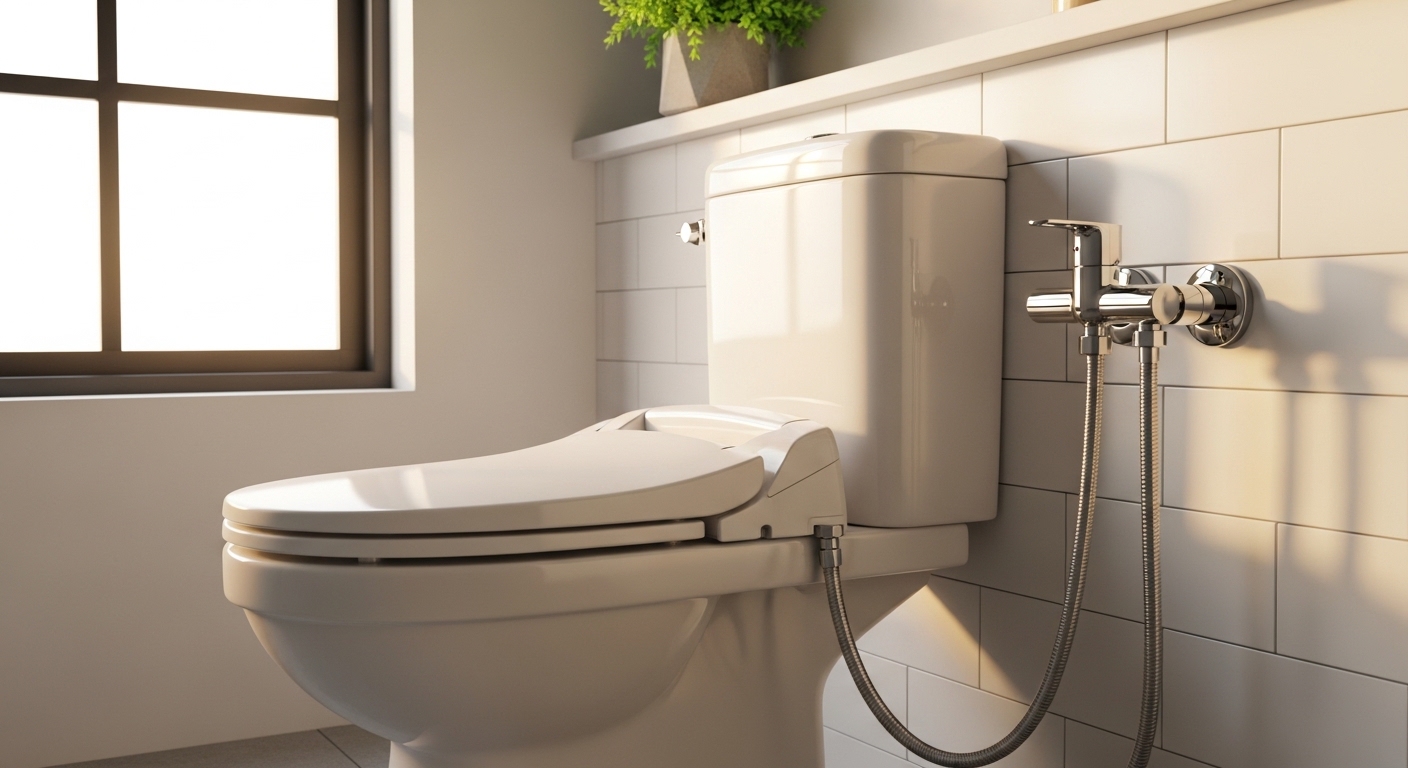
If you’ve spent any time searching “faucet bidet reddit,” you already know the threads are blunt: real users care about three things — warm water, water pressure you can actually control, and whether the thing leaks. This guide pulls together what those Reddit discussions consistently land on, translates the jargon, and tells you exactly which type of faucet-fed bidet fits your bathroom and budget. We sell and test fixtures for a living at EveFaucet, so we’ll also flag the plumbing details Reddit threads tend to gloss over.
What exactly is a “faucet bidet,” and why does Reddit keep recommending it?
A faucet bidet is any bidet that draws its water from a faucet or the faucet’s hot/cold supply lines instead of running cold-only off the toilet tank. Reddit keeps recommending it because it solves the single biggest complaint about cheap bidets: ice-cold water. When people on r/bidets, r/HomeImprovement, and r/Plumbing say “get one with a hot water line,” this is the category they mean.
There are really three things the term “faucet bidet” gets used for, and they’re worth separating because they install very differently:
- Warm-water bidet attachment (T-valve to faucet/sink hot line): The most upvoted option. It mounts under your existing toilet seat and runs two hoses — one to the toilet’s cold supply, one tapped from the bathroom sink faucet’s hot supply line. Gives you true blended warm water with no electricity.
- Handheld bidet sprayer fed from the faucet/supply: A “bidet shower” wand on a hose, popular in r/bidets for cleaning cloth diapers and pets too. Usually cold unless you tee it into a warm line.
- Faucet-mounted or sink-side diverter bidet: Less common in the US; the bidet function shares the actual faucet spout via a diverter.
The reason the faucet-fed approach wins on Reddit over a basic cold attachment is simple: you get spa-temperature water without the $300–$600 cost (and the GFCI outlet requirement) of an electric heated bidet seat. You’re borrowing warm water your home already makes.
Is a warm-water faucet bidet actually better than a cold-water one?
Yes — for comfort and for year-round use, a warm-water faucet bidet is clearly better, and it’s the upgrade Reddit users say they never regret. Cold-only attachments are fine in summer in a warm climate, but in winter a sudden blast of 50°F water is the number-one reason people stop using a bidet entirely.
Here’s the honest trade-off Reddit threads describe. Cold attachments cost $25–$40 and install in 10 minutes with zero tools beyond your hands. Warm-water faucet bidets cost $40–$90 and take 20–40 minutes because you have to tap a hot line. The extra effort buys daily comfort, which is exactly why the warm versions dominate the “best bidet” recommendation posts.
| Type | Water temp | Typical price | Install difficulty | Reddit verdict |
|---|---|---|---|---|
| Cold-only attachment | Cold tank water | $25–$40 | Very easy (10 min) | Good starter, “fine in summer” |
| Warm-water faucet bidet (hot line tap) | Adjustable warm | $40–$90 | Moderate (20–40 min) | Best value, most recommended |
| Handheld bidet sprayer | Cold (or warm if teed in) | $30–$70 | Easy–moderate | Most versatile, great for cleaning |
| Electric heated bidet seat | On-demand warm/hot | $200–$600+ | Needs GFCI outlet | Best features, “overkill for many” |
How do you connect a bidet to your bathroom faucet’s hot water line?
You connect a warm-water faucet bidet by installing a T-valve (a brass tee adapter) on the hot water supply line under your sink, then running the bidet’s hot hose from that tee to the bidet attachment. The cold side connects the same way at the toilet’s fill valve. This is the exact process Reddit’s bidet veterans walk newcomers through.
The step-by-step most-upvoted method looks like this:
- Shut off both supply valves — the toilet’s angle stop and the sink’s hot angle stop — then open the faucet and flush to relieve pressure.
- Tap the cold: Disconnect the toilet supply hose, install the bidet’s included T-adapter on the toilet fill valve, and reconnect.
- Tap the hot: Under the sink, install a T-valve on the hot angle stop. This is where leaks happen if you skip thread tape, so wrap the male threads 3–4 turns with PTFE (plumber’s) tape.
- Run the hot hose from the sink tee to the bidet’s hot inlet, keeping it tucked along the baseboard so it isn’t a trip or pinch hazard.
- Open valves slowly and check every joint with a dry paper towel — the towel shows the first bead of moisture long before a drip hits the floor.
One caution Reddit users repeat: hand-tighten plus a quarter turn with a wrench is usually enough on these compression and hose fittings. Cranking them harder cracks the plastic nuts that ship with budget bidets. If you’ve ever wrestled a leaky hose connection before, the same no-leak fundamentals apply as when you install a shower head with a hose without leaks — thread tape, gentle torque, and a leak check before you walk away.
Why is my faucet bidet water pressure weak or sputtering?
Weak or sputtering bidet pressure almost always comes from one of three things: a partially closed supply valve, a kinked hose, or — most commonly — sediment and mineral scale clogging the bidet’s nozzle or inlet screen. The fix is usually a five-minute cleaning, not a new bidet.
If you have hard water, this is the issue you’ll meet most often. The same mineral buildup that ruins faucet performance also narrows a bidet nozzle’s tiny spray holes. If your faucet aerator keeps getting clogged, assume your bidet nozzle is collecting the same calcium and magnesium scale, and clean both on the same schedule. A soak in equal parts white vinegar and water for 20–30 minutes dissolves most of it; a soft toothbrush clears the rest. Never use a metal pin on the nozzle — you’ll widen one hole and ruin the spray pattern.
Other quick pressure checks Reddit suggests, in order: confirm the supply angle stops are fully open, look for a hose kink behind the toilet, and make sure you didn’t reverse hot and cold inlets (some attachments are directional). If pressure is fine on cold but weak on warm, your hot supply valve is probably only half open.
What’s the best faucet bidet for a small bathroom or rental under $100?
For a small bathroom or a rental, the best faucet bidet under $100 is a non-electric, slim-profile warm-water attachment with dual controls (one knob for pressure, one for temperature) and brass T-valves rather than plastic. It’s fully reversible, leaves no permanent changes, and packs up if you move.
Renters love this category because nothing is cut, drilled, or glued — you’re only adding tee adapters that unscrew later, and you keep the original parts in a bag. A few buying priorities that come up again and again in Reddit recommendation threads:
- Brass or metal T-valves, not plastic — the plastic ones are the most common leak and crack point.
- Braided stainless steel hoses rather than thin vinyl tubing — they resist kinks and bursts.
- Adjustable spray pressure — a single-setting bidet is either too weak or uncomfortably strong.
- Self-cleaning retractable nozzle — keeps the spray wand clean between uses.
- A profile that fits your seat — measure the gap between your tank and seat bolts; bulky units don’t fit compact toilets.
Because a faucet bidet shares plumbing with your sink, it’s worth thinking about your bathroom fixtures as one system. If you’re upgrading the room anyway, matching finishes matters — the same way buyers compare options when choosing the best bathroom faucets with an 8 inch spread, you’ll want your bidet’s visible hoses and valves to blend in rather than clash with a polished chrome or brushed nickel sink set.
Faucet bidet vs. handheld sprayer vs. electric seat — which should you buy?
Buy a warm-water faucet bidet attachment if you want the best comfort-per-dollar; buy a handheld sprayer if you want versatility (cleaning, kids, pets); buy an electric seat only if you want heated seats, dryers, and remote controls and have a nearby GFCI outlet. That’s the decision tree Reddit keeps drawing.
Put simply:
- Faucet bidet attachment — the default winner for most homes. Warm water, no electricity, low cost, hidden under the seat.
- Handheld bidet sprayer — the choice if you also want to rinse the toilet, fill a bucket, clean cloth diapers, or bathe a dog. More flexible, slightly more visible.
- Electric heated seat — premium feel, but it’s a bigger install, needs power, and is the most expensive to repair when electronics fail.
One honest note from the threads: the faucet-fed warm-water attachment gives you 90% of the daily experience of a $500 seat for a fraction of the price. The features you give up — heated seat, warm-air dryer, deodorizer — are nice but not essential for most buyers.
Does a faucet bidet waste water or raise your bill?
No — a faucet bidet uses very little water and typically lowers household spending overall because it dramatically cuts toilet paper use. A single bidet rinse uses roughly an eighth of a gallon, far less than the water embedded in manufacturing the toilet paper it replaces.
This is one of the more reassuring points from Reddit’s longtime bidet users: the warm-water draw is brief, and because you’re tapping your existing hot line, there’s no separate water heater or tank. Your water heater barely notices the few seconds of warm flow per use.
About this guide — and a few things we tested
Author note: This article was written by the EveFaucet product team, who design, source, and bench-test bathroom and kitchen fixtures. We installed and used multiple warm-water faucet bidet attachments on standard two-piece toilets and 8-inch spread sink setups to verify the install steps, leak points, and nozzle-cleaning intervals described above.
Brand credibility: EveFaucet manufactures and supplies faucets, sink fixtures, shower systems, and bathroom accessories, with a long track record in stainless steel and brass plumbing components. We carry the supply-line valves, braided hoses, and faucet fixtures that a faucet bidet install touches, so our guidance reflects what actually holds up in real bathrooms.
Testing & standards: Look for bidet components and supply parts that meet recognized plumbing standards (such as cUPC/NSF listings for water-contact parts) and come with a warranty — quality faucet bidet attachments typically carry a 1–3 year warranty on valves and hoses. We recommend brass T-valves and stainless braided hoses precisely because they pass pressure cycling that thin plastic parts fail. If you’re shopping our catalog, our pre-sale and after-sale shopping notes explain coverage and returns.
FAQ
Do I need a plumber to install a faucet bidet?
No. The vast majority of warm-water faucet bidet attachments are designed for DIY install using the included T-valves and hoses, plus a roll of plumber’s tape. You only need a plumber if your shutoff valves are seized, corroded, or missing, or if your supply lines are an unusual size.
Will a warm-water bidet run out of hot water?
No. Each use draws warm water for only a few seconds, so even a small water heater keeps up easily. The bidet blends hot and cold at the unit, so you control the temperature with a knob rather than waiting for the line to heat up like a shower.
Can I tap the bidet into my kitchen or bathroom faucet directly instead of the supply valve?
You tap into the faucet’s supply line (the hot angle stop under the sink), not the faucet spout itself. A T-valve on the hot supply is the standard, leak-safe method. Routing through the actual spout requires a diverter and is uncommon in US bathrooms.
Why does my faucet bidet leak after install?
Leaks almost always come from missing thread tape, an over-tightened plastic nut, or a misaligned rubber washer. Shut off the water, take the joint apart, wrap the male threads with 3–4 turns of PTFE tape, reseat the washer, and hand-tighten plus a quarter turn. Re-check with a dry paper towel.
Is a faucet bidet sanitary?
Yes — the spray nozzle only releases clean supply water and most quality units have a retractable, self-cleaning nozzle that stays tucked away and rinses itself between uses. Cleaning the nozzle with a vinegar soak every few weeks keeps mineral buildup and bacteria away, especially in hard-water homes.
Does a faucet bidet fit every toilet?
Most fit standard two-piece toilets, but measure first. Check the distance from your tank to the seat mounting bolts and confirm your toilet’s supply line is the common 7/8-inch or 15/16-inch ballcock size. One-piece and skirted toilets sometimes need a longer hose or a low-profile attachment.