 EVE卫浴
EVE卫浴
Tub Spout Leaking? Why Is Water Dripping From Your Bathtub Spout — and How Do You Fix It?
浏览次数:306 分类:公司产品
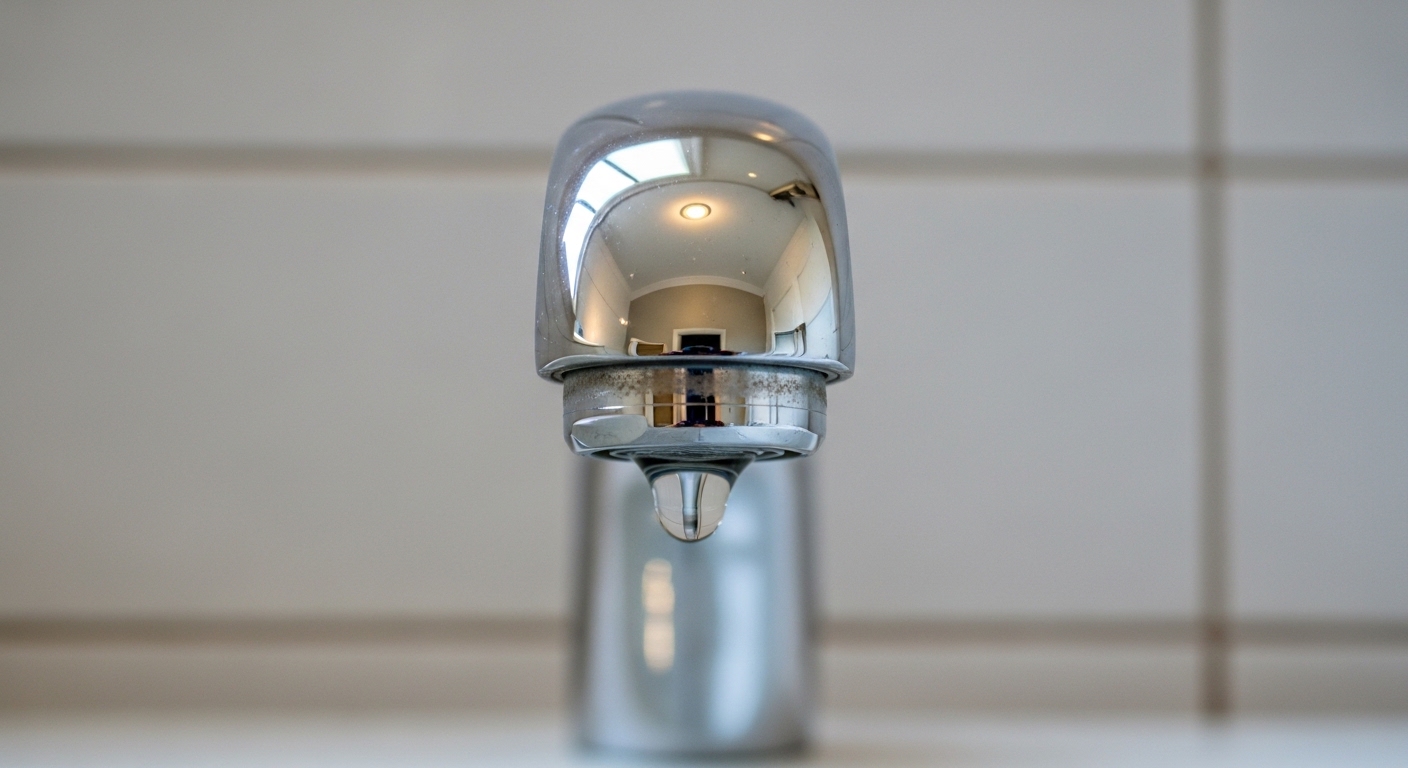
If your tub spout leaking problem is driving you crazy — that slow drip, drip, drip long after you’ve shut the water off, or a steady trickle out the tub while the shower is running — the good news is this is one of the most fixable bathroom problems there is. In almost every case it’s a cheap, worn-out rubber or ceramic part inside the valve, not a cracked pipe or a plumbing emergency. Below, we’ll walk through exactly where the leak is really coming from, how to diagnose it in five minutes, what parts you’ll need, and when it’s worth just replacing the whole spout.
We sell and test tub-and-shower fixtures for a living at evefaucet, and the questions we get about leaking spouts follow a predictable pattern. So we’ve organized this the way people actually ask it.
Why is my tub spout leaking water even when the faucet is off?
If your tub spout drips when everything is turned off, the culprit is a worn valve cartridge or a bad rubber seat/spring inside the wall — not the spout. The spout is just the exit point; it’s showing you that the valve behind the wall is no longer sealing shut.
Think of your tub valve like a garden hose nozzle. When you close it, an internal seal presses against a seat to stop the flow. Over years of use, that seal — whether it’s a rubber washer, a set of rubber seats and springs, or a ceramic-disc cartridge — wears down, gets scratched by hard-water grit, or hardens with age. Once it can’t fully seal, a little water sneaks past and runs out the lowest opening it can find, which is your tub spout.
Here’s how to tell what you’re dealing with:
- Drips only after you run the tub, then stops: Usually just residual water draining out of the spout. Totally normal — not a leak.
- Constant slow drip even hours later: Worn cartridge or worn rubber seats and springs failing to seal.
- Drip that got worse over weeks: Classic sign of a cartridge reaching the end of its life or mineral buildup on the seat.
- Drips hot, cold, or both: Tells you which side of the valve is failing — helpful when you order parts.
That last point matters more than people think. If the dripping water is warm, the hot side of your valve is worn; if it’s cold, the cold side is. On single-handle valves both sides run through one cartridge, so you replace the whole thing. Our deeper guide on why your faucets are dripping hot or cold water and how to tell which side is failing walks through this test in detail if you want to nail down the exact side before buying parts.
Why does water come out of the tub spout when the shower is running?
If water keeps pouring — or trickling — out of the tub spout while the shower is on, your diverter has failed. The diverter is the little mechanism that redirects water up to the showerhead, and when it wears out it can’t fully close off the tub spout path.
There are two kinds of diverters, and the fix is different for each:
| Diverter Type | Where It Lives | Why It Leaks | Typical Fix |
|---|---|---|---|
| Pull-up (spout-mounted) | The little knob you lift on top of the spout | Worn internal gate or seal inside the spout body | Replace the entire tub spout ($15–$40) |
| Third-handle / valve diverter | A separate handle on the faucet, or inside the main cartridge | Worn rubber washer or cartridge diverter section | Replace washer or cartridge ($5–$50) |
The most common tub spout leaking scenario — a little water dribbling out the spout while you shower — is a pull-up diverter that’s worn out. Because that diverter is built into the spout on those models, the fix is simply to swap the spout, which is the single easiest repair on this whole list. We’ll cover exactly how below.
How do I know if it’s the spout, the diverter, or the valve cartridge?
Run a quick two-part test: turn the water fully off and watch the spout, then turn the shower on and watch the spout. What leaks when tells you exactly which part to replace.
- Everything off, spout still drips → valve cartridge (or seats and springs). The seal in the wall is bad.
- Shower on, water still runs out the tub spout → diverter. Either the spout-mounted pull-up diverter or the valve diverter.
- Water leaking from behind the spout at the wall → loose spout connection or failed plumber’s tape/caulk seal, not the internal valve at all.
- Both dripping-when-off AND poor shower diversion → often a single worn cartridge causing both, common on single-handle tub/shower valves.
That third case — water sneaking out where the spout meets the wall — trips a lot of people up. It’s not a valve problem; it’s a seal problem. On slip-on spouts, the set screw underneath may be loose; on threaded spouts, the pipe threads may need fresh Teflon tape. Before you tear into the valve, check whether the leak is coming from the tip of the spout (internal) or the base of the spout (a seal issue).
How do I fix a leaking tub spout myself — step by step?
For a spout-mounted diverter leak, the whole repair is: remove the old spout, match it, and install the new one — usually 15–20 minutes, no plumber needed. For a valve cartridge leak, budget closer to an hour and shut off the water first. Here’s the walkthrough for both.
Replacing the tub spout (diverter leak)
- Identify your spout mount. Look under the spout. A small hex set screw means it’s a slip-on spout on a copper pipe. No screw means it threads on. This determines what replacement to buy.
- Remove the old spout. Slip-on: loosen the set screw with an Allen key and pull straight off. Threaded: turn it counterclockwise (a cloth-wrapped pipe wrench inside the spout gives leverage without scratching).
- Measure before you buy. Note the pipe type, the distance from the wall to the pipe end, and whether you need a diverter (pull-up) spout or a plain one.
- Install the new spout. Threaded: wrap the pipe threads with 3–4 turns of plumber’s tape, thread on hand-tight plus a nudge, aim it straight down. Slip-on: slide on and tighten the set screw against the pipe.
- Seal the base. Run a thin bead of silicone caulk where the spout meets the wall — top and sides only, leave the bottom open so any wall water can escape.
Replacing the valve cartridge (drip-when-off leak)
- Shut off the water. Use the shower shutoffs if you have an access panel, otherwise the main house valve.
- Pull the handle and trim. Pry off the cap, remove the handle screw, and take off the escutcheon plate.
- Remove the retaining clip and cartridge. A cartridge puller helps if it’s stuck from mineral buildup. Note the orientation before it comes out.
- Match the new cartridge exactly to your brand and model — this is where most DIY jobs go sideways.
- Reassemble, turn the water back on slowly, and check for drips.
If your leak is specifically at the handle rather than the spout, that’s a slightly different repair with its own quirks — our guide on why your bathroom tub faucet leaks from the handle and how to stop it covers that exact scenario. And if you’re doing a full valve or faucet swap while you’re in there, installing a bathtub faucet yourself without calling a plumber shows the complete process end to end.
Should I repair the tub spout or just replace it — what’s cheaper in the long run?
Replace the spout if the leak is a spout-mounted diverter or the spout is old, pitted, or corroded; repair the internal valve if the finish is fine and only the cartridge is worn. A new mid-range spout runs $15–$40, so replacing rather than fussing with an old diverter is usually the smarter call.
Here’s a simple decision framework:
| Situation | Best Move | Rough Cost |
|---|---|---|
| Pull-up diverter won’t hold; spout looks good | Replace spout (diverter is inside it) | $15–$40 |
| Drips when off; spout and finish are fine | Replace cartridge or seats/springs | $5–$50 |
| Spout is corroded, spotted, or leaking at base | Replace spout + re-seal | $15–$40 |
| Old valve, multiple worn parts, hard-water damage | Replace full valve/trim kit | $60–$200 |
One thing worth checking while you have the spout off: its height and reach relative to the tub. If yours has always sat too low or splashed oddly, a replacement is a free chance to correct it — see the right tub spout height above the tub and how high to set it so your new spout is positioned properly.
What causes a tub spout to start leaking in the first place?
The two biggest causes are hard water and simple age. Mineral deposits scratch and coat the sealing surfaces inside your valve, and rubber components naturally harden and shrink over 5–10 years of daily use.
Knowing the cause helps you prevent the next leak:
- Hard water (mineral buildup): Calcium and magnesium scale roughens the valve seat so seals can’t close cleanly. A whole-house softener or periodic vinegar cleaning of the spout and aerators slows this down.
- Age of rubber parts: Washers, O-rings, and rubber seats dry out and crack. This is why a valve that was fine for years suddenly starts dripping — it’s just time.
- High water pressure: Pressure above 80 psi hammers seals and shortens their life. A pressure-reducing valve helps.
- Grit and debris: Sediment from municipal work or an old water heater lodges on the seat and props a seal open.
If you’re on hard water, occasional maintenance goes a long way — soaking metal fixture parts in white vinegar dissolves the scale that’s wrecking your seals. Our walkthrough on cleaning a fixture head with vinegar and baking soda uses the same technique that keeps tub valves sealing longer.
Do I need to match the brand when replacing tub spout or valve parts?
For internal valve parts — cartridges, seats, springs — yes, you must match the exact brand and model, because they are not interchangeable. For the spout itself, you only need to match the connection type (threaded vs. slip-on) and pipe size, so you have far more freedom on finish and style.
This is the number-one reason DIY spout repairs fail: someone buys a “universal” cartridge that isn’t actually universal. Delta, Moen, Kohler, Pfister, and others each use their own cartridge geometry. Bring the old part to the store or photograph the model markings before ordering. For the spout, measure from the wall to the end of the pipe stub and note whether you need a diverter (pull-up) or non-diverter version — then you can choose whatever finish matches your tub filler and handles.
When should you actually call a plumber for a leaking tub spout?
Call a pro if the leak is behind the wall, the valve body itself is cracked, you can’t reach a shutoff, or the cartridge is seized so badly it won’t budge. Anything that involves soldering pipe or opening the wall is beyond a basic DIY fix.
Signs it’s plumber territory: water staining on the ceiling below the bathroom, a musty smell suggesting a hidden leak, a valve so old the parts are discontinued, or a spout pipe that spins freely (meaning the fitting behind the wall has come loose). None of those are worth risking — a $150 service call beats water damage in the wall cavity.
FAQ
Is a leaking tub spout an emergency?
No, a slow drip isn’t an emergency, but don’t ignore it. A faucet dripping once per second wastes roughly 3,000 gallons a year, and constant moisture invites mold and mineral staining. Fix it within a few weeks. The only urgent version is water leaking behind the wall — that can rot framing and needs prompt attention.
How much does it cost to fix a leaking tub spout?
DIY, expect $5–$60 in parts: a rubber seat kit runs a few dollars, a cartridge $15–$50, and a full replacement spout $15–$40. If you hire a plumber, most tub spout or cartridge jobs land between $125 and $250 including labor, depending on your area and how accessible the valve is.
Can hard water cause a tub spout to leak?
Yes, and it’s one of the most common causes. Mineral scale builds up on the valve seat and sealing surfaces, so the rubber or ceramic seal can no longer close tightly. Softening your water and periodically cleaning fixtures with vinegar significantly extends the life of every seal in your tub valve.
Why does my tub spout leak only when I take a shower?
That’s a diverter problem, not a valve seal problem. The diverter that’s supposed to send water up to the showerhead is worn and letting some water fall back out the tub spout. On most spouts with a pull-up knob, the diverter is built into the spout, so replacing the whole spout fixes it.
How long should a tub spout and its internal valve last?
A quality tub spout can last 15–20 years, while the internal rubber seals and cartridge typically last 5–10 years before they need replacing. Hard water, high pressure, and heavy daily use shorten those numbers; soft water and moderate pressure extend them.
Will a universal tub spout fit my tub?
Sometimes. Many replacement spouts include adapters for both threaded (½-inch NPT) and slip-on (½-inch copper) connections, which covers most homes. But you still need to measure the pipe length and confirm whether you need a diverter version. Always check the connection type before buying rather than assuming “universal” fits everything.
A note from the evefaucet team
This guide was written and reviewed by the product specialists at evefaucet, where we’ve spent years designing, pressure-testing, and supporting tub-and-shower fixtures for real bathrooms. Every spout and valve trim we ship is tested against industry sealing and durability standards (the same ASME A112.18.1 / cUPC benchmarks reputable fixtures are held to), and our tub spouts and cartridges are backed by a manufacturer’s warranty so a worn seal down the road is a quick, covered fix rather than a headache. If you’re unsure which cartridge or spout matches your setup, our support team can help you identify the right part before you order — because the fastest repair is the one you only have to do once.