 EVE卫浴
EVE卫浴
Why Does My Moen Faucet Have Low Water Pressure — and How Do I Fix It?
浏览次数:304 分类:Repair
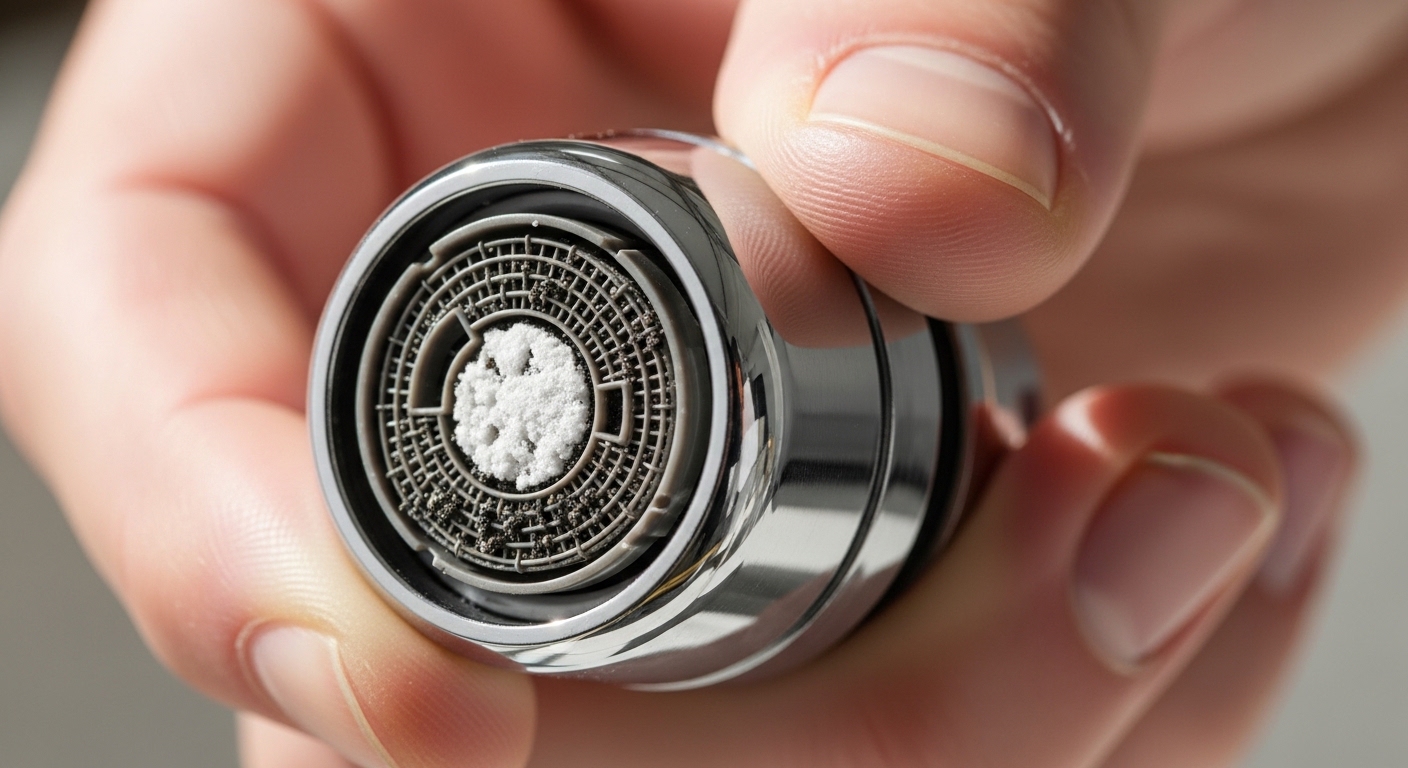
If you’re dealing with Moen faucet low water pressure, start with the cheapest, most common culprit first: mineral buildup and trapped debris in the aerator or spray head. Moen makes solid faucets, so a sudden drop in flow rarely means the valve or cartridge failed. Far more often, tiny sediment, hard-water scale, or a chunk of debris from a water heater or pipe repair has lodged in the smallest opening the water passes through. Below, we’ll walk through exactly how to find the blockage, clear it, and know when it’s actually something bigger like the cartridge or your home’s supply.
I’ve rebuilt and diagnosed hundreds of these at the EveFaucet workshop bench, and the pattern is remarkably consistent. Water pressure problems travel from the smallest opening outward. So we diagnose the same way — start at the tip of the faucet and work backward toward the wall.
What causes low water pressure in a Moen faucet specifically?
The single most common cause is a clogged aerator or spray head — the little screened tip where water exits. Moen’s aerators use a fine mesh screen and a flow restrictor that catch sediment and build up hard-water scale over months and years. When that mesh clogs, flow drops dramatically even though your home’s pressure is perfectly fine everywhere else.
Here’s the diagnostic tell that saves you hours: if only one faucet is weak, the problem is in that faucet. If every fixture in the house is weak, the problem is upstream — your pressure regulator, main shutoff, or municipal supply. Moen-specific low pressure is almost always the former.
The usual suspects, ranked by how often I see them:
- Clogged aerator (roughly 60% of cases): Scale and grit choke the screen at the spout tip.
- Gunked-up pull-down spray head (common on kitchen models): The spray face and internal diverter collect debris.
- Partially closed shutoff valves under the sink: Someone bumped the angle stop, or it was never fully reopened after a repair.
- Kinked or scaled supply hose: Especially on pull-down faucets where the hose loops through the cabinet.
- Failing or scaled cartridge: Less common, but real — usually paired with temperature or handle problems, not just flow.
- Debris from recent plumbing work or a water heater: Sediment breaks loose and lodges in the first screen it hits — your faucet.
How do I fix low water pressure in a Moen kitchen faucet myself?
Clean the aerator first — it fixes most Moen faucet low water pressure complaints in under 15 minutes. Unscrew it, soak it in white vinegar, scrub the screen, reassemble, and test. Only if that fails do you move deeper into the faucet. Here’s the exact sequence I use at the bench.
- Test hot vs. cold separately. Run only hot, then only cold. If just one side is weak, you’ve narrowed it to that supply line or shutoff. If both are weak, the aerator or spray head is your target.
- Remove the aerator. Most Moen aerators unscrew by hand (turn toward you as you face the spout). If it’s stuck, wrap it in a cloth and use pliers gently — don’t crush the finish. Newer Moen models use a hidden “cache” aerator that needs the little plastic key that came in the box.
- Inspect the screen. Hold it up to the light. See white crust or dark grit? That’s your problem.
- Soak in white vinegar for 30–60 minutes. Vinegar dissolves calcium and lime scale. For heavy buildup, soak overnight.
- Scrub with an old toothbrush and rinse from the back so debris flushes out the way it came in.
- Run the faucet with the aerator OFF for a few seconds into the sink. If flow is strong now, the aerator was the culprit — confirmed. If it’s still weak with the aerator off, the blockage is deeper.
- Reassemble and test. Hand-tighten only — over-tightening cracks the housing.
If you own a pull-down or pull-out model, the spray head has its own aerator/spray face that clogs the same way. Twist off the spray face (or soak the whole head in vinegar) and clean it identically. If the hose itself feels kinked or the flow stutters, that’s a separate fix — our guide on handling a kitchen faucet pull-out hose replacement yourself walks through swapping it without a plumber.
What if cleaning the aerator didn’t fix it?
If flow is still weak with the aerator completely removed, move upstream to the shutoff valves and supply lines. Look under the sink for two oval or football-shaped handles (the angle stops). Turn each fully counterclockwise to make sure they’re 100% open — a half-open valve throttles flow badly. Then disconnect the supply hose from the faucet shank, aim it into a bucket, and briefly open the valve. Strong flow from the hose means the blockage is inside the faucet body; weak flow means the problem is the valve or the line.
For hard-water homes, scale doesn’t just sit in the aerator — it coats everything it touches. If your faucet head looks crusty and white, our step-by-step on cleaning a faucet head from hard water buildup without wrecking the finish covers the safe descaling method for chrome, brushed nickel, and matte black finishes.
Could a bad Moen cartridge cause low water pressure?
Yes, but it’s less common than people think — and it usually comes with other symptoms. A worn or scaled Moen cartridge (the 1200, 1225, or 1255 series in most kitchen and bath faucets) can restrict flow, but you’ll typically also notice temperature drift, a stiff or loose handle, or dripping. If your only symptom is weak flow and the aerator is clean, the cartridge is worth checking.
The good news: Moen backs its cartridges with a limited lifetime warranty for the original homeowner, and they’ll often ship a replacement free. Before you buy one, call Moen with your model number — a $0 warranty part beats a $25 hardware-store guess. Replacing a cartridge is a 20–30 minute job: shut off the water, pop the handle, pull the retaining clip, extract the old cartridge with the plastic puller, and drop in the new one aligned to the same notch.
How do I tell a cartridge problem from an aerator problem?
Run this quick logic check. Remove the aerator and test flow — if it jumps back to normal, it was never the cartridge. If flow is still weak with the aerator off AND the supply lines test strong into a bucket, the restriction is inside the faucet body, which points to the cartridge or a clogged internal passage. Cartridge issues also tend to affect temperature and handle feel, while aerator issues affect flow only.
Is low water pressure the whole house or just the faucet?
Check a second faucet before you touch anything — this five-second test tells you where the problem lives. Walk to another sink or the shower and run it. If that fixture is also weak, your issue is house-wide (pressure regulator, main valve, or utility supply), not your Moen faucet. If every other fixture runs strong and only the one Moen is weak, you’ve confirmed a localized clog and can proceed with the aerator/cartridge fixes above.
House-wide low pressure has its own short list of causes:
- Pressure-reducing valve (PRV) failing: Usually near where the main line enters your home; they wear out around 7–12 years.
- Main shutoff not fully open: Often overlooked after any plumbing work.
- Municipal supply issue or a leak in the line: Call your neighbors or water utility.
- Old galvanized pipes scaling shut: A slow, whole-house decline over years in older homes.
Those are plumbing-system problems, not faucet problems — worth knowing so you don’t waste an afternoon rebuilding a faucet that was never the issue.
Moen low water pressure: quick diagnosis comparison
Here’s the fastest way to match your symptom to the likely cause and fix. Start at the top row — it’s the most common and the cheapest.
| Symptom | Most Likely Cause | Fix | Time / Cost |
|---|---|---|---|
| One faucet weak, others fine | Clogged aerator or spray head | Soak in vinegar, scrub, reinstall | 15 min / $0 |
| Weak even with aerator removed | Partly closed shutoff or kinked hose | Fully open valves; straighten/replace hose | 10–30 min / $0–$20 |
| Weak flow + temp drift + stiff handle | Scaled or worn cartridge | Replace cartridge (often warranty-free) | 20–30 min / $0–$25 |
| Only hot OR only cold weak | Debris in one supply line / water heater sediment | Flush that line, clear the shank inlet screen | 20 min / $0 |
| Every fixture in house weak | Failing PRV or main supply issue | Adjust/replace PRV; call utility | Plumber / $75–$350 |
How do I stop it from happening again?
The root cause of most repeat clogs is hard water, so slowing scale buildup is the real prevention. If your aerator clogs every few months, that’s a hard-water signal, and there are a few practical moves that genuinely help.
- Clean the aerator on a schedule. Twice a year in hard-water areas. Two minutes of vinegar soak beats a full “no pressure” panic later.
- Flush after any plumbing work. Whenever you shut off and restore water, remove the aerator and run the faucet for 10 seconds first — this catches loosened pipe debris before it lodges in the screen.
- Consider a whole-home water softener or filter if you’re constantly fighting scale. It protects every fixture and appliance, not just one faucet.
- Keep the spare aerator key. Moen’s newer hidden aerators need the little plastic tool — tape it inside the cabinet so it’s there when you need it.
If your aerator keeps clogging no matter how often you clean it, there may be an ongoing sediment source worth chasing down — we broke down that exact recurring problem in our workshop guide to a faucet aerator that keeps getting clogged. And if the aerator itself is seized so tight it won’t come off, this guide to disassembling a faucet aerator that won’t budge covers the non-destructive removal tricks.
One more note for anyone weighing whether to repair or replace: a Moen with a genuinely worn-out valve body is rare, and even then the fix is a cartridge, not a new faucet. If you’re cross-shopping brands for an eventual upgrade, our Moen vs Kohler kitchen faucet comparison lays out how the two stack up on parts availability and long-term serviceability.
FAQ
Why does my Moen faucet suddenly have low water pressure out of nowhere?
A sudden drop almost always means debris broke loose and lodged in the aerator — often after a water main repair, a water heater flush, or work anywhere on your plumbing. Remove and clean the aerator first. If flow returns instantly with the aerator off, that confirmed it. Sudden (not gradual) loss points to a physical chunk of debris rather than slow scale buildup.
How do I clean a Moen aerator that won’t unscrew?
Wrap the aerator in a rubber band or cloth for grip and turn by hand first. If it’s still stuck, use pliers over a cloth to protect the finish, and try a vinegar-soaked paper towel wrapped around it for 15 minutes to loosen the scale that’s cementing it in place. For hidden Moen “cache” aerators, you need the plastic key tool — a flathead screwdriver in the two notches can work in a pinch, gently.
Is low water pressure a sign my Moen cartridge is bad?
Not usually on its own. A bad cartridge typically causes temperature problems, dripping, or a stiff handle alongside weak flow. If low pressure is your only symptom and the aerator is clean, then the cartridge is worth checking — and Moen’s lifetime warranty often covers the replacement part free for the original owner.
Will a water softener fix low pressure from hard water?
It prevents future scale buildup but won’t clear existing clogs — you still need to clean the aerator and any scaled parts once. Going forward, softened water dramatically slows the calcium and lime buildup that chokes aerators, spray heads, and cartridges, so a softener is a real long-term fix if hard water is your recurring problem.
How much does it cost to fix low water pressure in a Moen faucet?
Usually $0. Cleaning the aerator costs nothing but vinegar and 15 minutes. A replacement cartridge is often free under Moen’s warranty, or about $15–$25 retail. You’d only reach plumber-level cost ($75–$350) if the real issue is a house-wide pressure regulator, which isn’t a faucet problem at all.
Why is only the hot water weak on my Moen faucet?
When just the hot side is weak, suspect sediment from your water heater or a partly closed hot-side shutoff valve. Water heaters shed mineral sediment that travels to the nearest screen. Check that the hot angle stop under the sink is fully open, then flush the hot supply line into a bucket and clean the inlet screen on the faucet’s hot shank.
About the author: This guide was written by the EveFaucet workshop team, who repair, rebuild, and bench-test kitchen and bathroom faucets daily. EveFaucet has manufactured and serviced faucets and fixtures since 2005, and our repair guidance is based on hands-on diagnosis of real returned and serviced units — not generic web advice.
A note on standards: Faucet aerators and flow rates in the U.S. are regulated (typically 1.5–2.2 GPM), and quality faucets are tested to ASME A112.18.1 / NSF 61 standards for safe drinking-water contact. Always check your specific Moen model’s warranty before buying replacement parts — many cartridges are covered free for the original homeowner.