 EVE卫浴
EVE卫浴
Is a Copper Faucet for Bathroom Sinks Actually Worth It — and Which One Should You Buy in 2026?
浏览次数:15 分类:公司产品
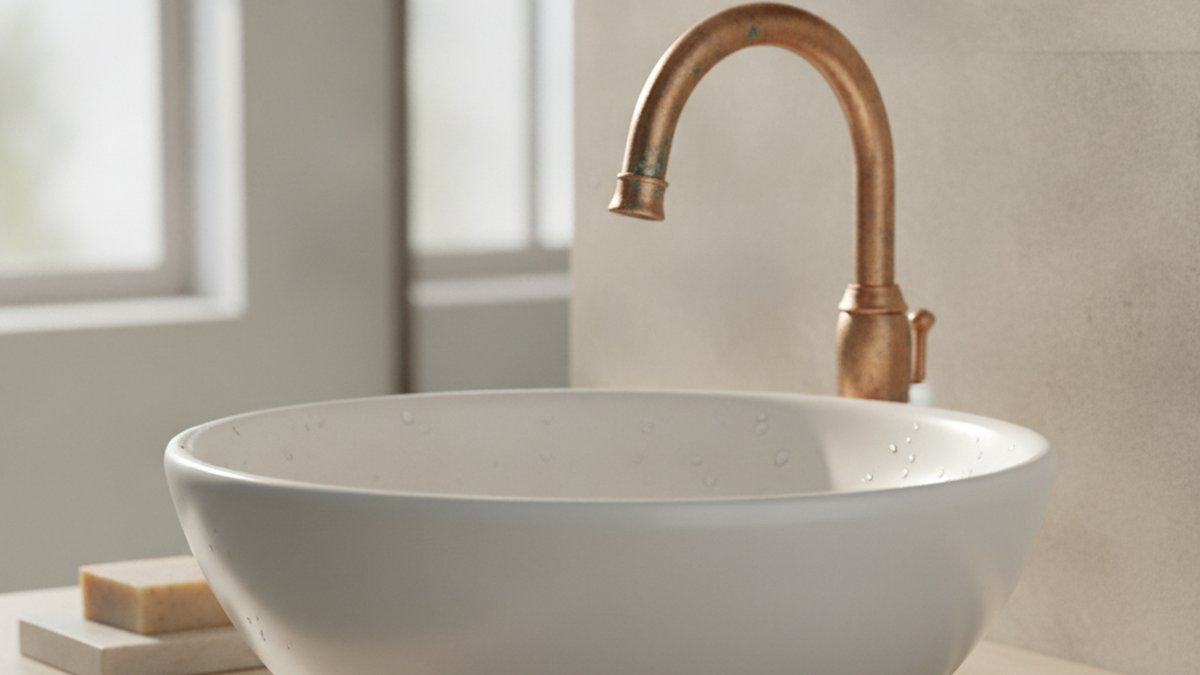
A copper faucet for bathroom use is one of the few fixture choices that actually changes the feel of the whole room — it reads warm, vintage, and intentional in a way chrome never does. But “copper” covers everything from a $600 hand-hammered artisan piece to a $39 spray-painted lookalike, so the real question isn’t should you buy one, it’s which kind and whether you’re ready for how it behaves over time. This guide answers that in plain terms: what you’re really paying for, how the finishes differ, whether it tarnishes, how to clean it, and which style fits your sink and your budget.
Is a copper bathroom faucet actually worth it, or is it just a trend?
It’s worth it if you want warmth and character and you’re okay with either embracing a patina or doing light polishing — otherwise chrome or brushed nickel is easier. Copper isn’t a passing trend; it’s one of the oldest plumbing metals in the world, and its recent popularity comes from two real advantages, not just looks.
First, genuine copper is naturally antimicrobial. Studies on “contact killing” have shown copper surfaces reduce bacterial survival far faster than stainless steel — which is a genuinely nice trait on a handle you touch with wet, soapy hands all day. Second, copper is one of the only finishes that looks better as it ages. Instead of scratching and looking worn, it develops a patina that many people pay extra to fake.
The honest downside: a real copper finish is a living surface. In a hard-water bathroom it can spot, and a bright polished copper will slowly darken unless you seal or wax it. If that idea stresses you out, you’ll be happier with a “copper look” that’s actually a sealed, color-locked finish (more on that below).
What’s the difference between solid copper, copper-plated, and “copper finish” faucets?
The short answer: solid copper is copper all the way through, copper-plated is a thin real-copper layer over brass or zinc, and “copper finish” (or “antique copper” / “oil-rubbed”) is usually a color coating that mimics copper but contains little or no actual copper. Price and durability track exactly with how much real metal you’re getting.
Here’s how they actually compare for a bathroom sink:
| Type | What it really is | Typical price | Ages into patina? | Best for |
|---|---|---|---|---|
| Solid / hammered copper | Copper body, often hand-finished | $300–$700 | Yes — freely | Rustic, farmhouse, statement vessel sinks |
| Copper-plated brass | Solid-brass core, real copper plating | $150–$400 | Yes — controllable | Most bathrooms; best balance of looks + durability |
| PVD copper finish | Brass body, vacuum-bonded copper-tone coating | $120–$350 | No — color-locked | Hard water, low-maintenance households |
| Painted “copper look” | Zinc/alloy body, sprayed coating | $30–$70 | No — it peels | Honestly, nothing long-term |
The sweet spot for most people is copper-plated solid brass or a PVD copper finish over brass. Both give you a real metal body that won’t crack the way pot-metal (zinc alloy) does, and both hold up to daily bathroom use for years. The one category to avoid is the ultra-cheap painted alloy faucet — the coating chips around the aerator and handle within a season, and you can’t repair it. If you’re weighing copper against a straight brass fixture, our deep dive on where to find a solid brass faucet and whether buying local beats ordering online is a useful companion read, since brass is the core metal under most quality copper finishes.
Does a copper faucet tarnish, and how much cleaning does it really need?
Yes, uncoated copper tarnishes and develops patina — but a sealed or PVD copper finish barely changes, and even raw copper only needs a quick wipe if you want it bright. How much work it is depends entirely on which finish you bought and the look you’re going for.
You basically have three maintenance paths:
- Embrace the patina (least work): Just rinse and wipe with a soft cloth. The copper darkens and mellows on its own into that antique look. Zero chemicals, zero polishing.
- Keep it bright (moderate work): Polish every few weeks with a copper cleaner or a homemade paste of lemon juice and salt, then apply a thin coat of carnauba wax to slow re-tarnishing. Expect 10 minutes, a couple times a month.
- Set-and-forget (least work, if you bought PVD): A PVD or lacquer-sealed copper finish only needs mild soap and water. Never use abrasive pads or acidic cleaners on it — they’ll damage the seal.
One universal rule regardless of finish: skip harsh chemicals. Bleach, ammonia, and abrasive scrubbing pads strip protective coatings and scar the metal. Warm water, mild dish soap, and a microfiber cloth handle 90% of cleaning. If your water is hard and you’re seeing white spots, that’s mineral scale, not tarnish — the same problem that clogs aerators. If flow drops off alongside the spotting, check our fix for a blocked faucet aerator that’s barely trickling before you blame the faucet itself.
Which copper faucet is best for my sink — vessel, drop-in, or wall-mount?
Match the faucet height and mounting to your sink type: tall single-hole faucets for vessel sinks, standard center-set or single-hole for drop-in and undermount sinks, and wall-mount spouts for a clean, modern look above any basin. Getting this wrong is the number-one reason a beautiful faucet looks awkward once it’s installed.
Here’s the quick decision guide:
- Vessel sink (bowl sits on top of the counter): You need a tall vessel faucet — typically 10–14 inches high — so the spout clears the rim of the bowl with enough reach to pour into the center. A short faucet here means you’re splashing water off the back of the bowl.
- Drop-in or undermount sink: A standard single-hole or center-set copper faucet (roughly 5–8 inches high) works. Measure your deck holes first — single-hole needs one, center-set needs three on 4-inch centers, widespread needs three on 8-inch centers.
- Wall-mount: Great for a hammered copper vessel bowl or a minimalist look, but the rough-in plumbing has to be set before tiling, so it’s really a remodel-stage choice, not a swap.
- Pedestal sink: Copper looks stunning on a pedestal, but space is tight — you’ll want a compact single-hole. Our guide to picking the right bathroom faucet for a pedestal sink walks through the exact clearances.
Always confirm the faucet’s reach (how far the spout extends horizontally) lands water over the drain, not the back wall of the basin. For most bathroom sinks, 4.5–6 inches of reach is right.
What does a good copper bathroom faucet cost in 2026, and what am I paying for?
Expect to pay $150–$300 for a quality copper-finish or copper-plated faucet on a solid-brass body, and $300–$700 for genuine hand-hammered solid copper. Under about $100, you’re almost always buying a coated zinc alloy that won’t last. The price gap is real material and engineering, not just branding.
What separates a $60 faucet from a $250 one:
- Body metal: Solid brass (lead-free, meeting NSF/ANSI 372 low-lead standards) versus zinc pot-metal that corrodes and cracks.
- Cartridge: A ceramic-disc cartridge — the part that controls flow and prevents drips — versus a cheap rubber-washer valve that leaks within a year. If you’ve ever wondered why faucets start dripping, it usually traces back to this part; here’s what the cartridge in a faucet handle does and why it matters.
- Finish process: PVD (physical vapor deposition) or proper electroplating versus spray paint. PVD is bonded at a molecular level and is extremely scratch- and tarnish-resistant.
- Certification and warranty: A reputable copper faucet should carry cUPC/UPC certification for plumbing safety and come with a multi-year finish-and-function warranty. No warranty is a red flag.
Value tip: if you love the warm tone but want to spend less and worry less, a well-made copper-finish faucet over brass gives you 90% of the look at 60% of the cost of solid hammered copper — and it won’t need polishing.
Does copper clash with my other bathroom fixtures?
No — copper mixes beautifully with white, black, and wood tones, and it pairs especially well with matte black hardware and cream or stone-colored sinks. The old “everything must match” rule is gone; a single warm-metal fixture as an accent usually looks more intentional than a room where every finish is identical.
A few combinations that consistently work: copper faucet with a white ceramic or stone vessel; copper with matte black towel bars and mirror frames (a very current, high-contrast look); and copper with natural wood vanities for a warm, spa-like feel. Where people get nervous is mixing metals — but that’s mostly a myth as long as you keep it to two metal tones and repeat each at least twice in the room. If you want the same “how do I make mismatched metals look deliberate” logic applied to a cooler palette, the thinking in our piece on whether a brushed nickel faucet goes with a stainless steel sink transfers directly. And if you’re leaning into that copper-plus-black contrast, our take on whether a black matte shower faucet is worth it can help you coordinate the shower to match.
How do you install a copper bathroom faucet yourself?
Most single-hole copper bathroom faucets install in about 30–45 minutes with basic tools — shut off the water, drop the faucet through the deck hole, secure it underneath, connect the supply lines, and test for leaks. If you’ve replaced a faucet before, a copper one is no different mechanically; only the finish changes, not the plumbing.
The basic sequence:
- Turn off the hot and cold shutoff valves under the sink and open the faucet to release pressure.
- Disconnect and remove the old faucet (loosen the mounting nut from below).
- Feed the new copper faucet’s supply lines and shank down through the deck hole; if you have extra unused holes, a deck plate or a chrome faucet plug to cover an extra sink hole keeps it clean.
- Tighten the mounting hardware from underneath — hand-tight plus a quarter turn; don’t overtorque and crack the finish.
- Connect the braided supply lines to the shutoff valves, using thread tape on threaded connections.
- Turn the water back on slowly, run the faucet, and check every joint for drips.
The single most common install mistake is over-tightening connections, which strips threads and can spider-crack a finish coating. Snug, not gorilla-tight. If you hit any leak at the handle or base afterward, it’s almost always a loose connection or a seated washer — easy to fix, not a defect.
FAQ
Is a copper faucet safe for drinking water in a bathroom?
Yes. Quality copper and copper-plated brass faucets sold in the U.S. must meet lead-content limits under NSF/ANSI 372 and are certified to UPC/cUPC standards. Copper is actually one of the oldest safe plumbing metals. Just avoid uncertified budget imports, which may use non-compliant alloys.
Will a copper faucet turn green like an old penny?
Only if it’s uncoated copper left exposed to moisture and air for a long time without cleaning — that green is verdigris. It’s harmless and some people love the look, but a quick wipe-down prevents it, and PVD-sealed or lacquered copper finishes won’t green at all.
What’s the difference between “antique copper” and “polished copper” finishes?
Polished copper is bright, shiny, and pinkish-orange; antique (or oil-rubbed) copper is intentionally darkened to look aged, with highlights worn through on raised areas. Polished needs more upkeep to stay shiny; antique hides water spots and fingerprints better, so it’s the lower-maintenance choice.
Can I use regular cleaners on a copper faucet?
No. Skip bleach, ammonia, abrasive pads, and acidic bathroom sprays — they strip coatings and scar the metal. Use mild dish soap and warm water for daily cleaning, and a dedicated copper polish (or lemon-and-salt paste) only if you want to brighten raw copper.
Do copper faucets cost more to maintain than chrome?
A sealed PVD copper finish costs essentially the same to maintain as chrome — just soap and water. Raw or hammered copper costs a little more in effort if you want it bright, since it benefits from occasional polishing and waxing. Neither is expensive; it’s a matter of minutes, not money.
About the author: This guide was written by the evefaucet fixtures team, drawing on hands-on testing of copper, brass, and PVD-finish bathroom faucets across real installations and hard-water conditions. Why trust evefaucet: we design and sell bathroom and kitchen fixtures full-time, and every faucet we recommend is built on a lead-compliant solid-brass body with ceramic-disc cartridges, certified to UPC/cUPC standards, and backed by a multi-year finish-and-function warranty. If a copper faucet can’t survive our splash, torque, and finish-adhesion checks, it doesn’t make our shelf. For a closer look at the spout itself, see our companion guide on whether a copper faucet spout is worth it and which one to buy.