 EVE卫浴
EVE卫浴
Is the Yakima Shower System Worth Buying in 2026 — and What Do You Actually Get?
浏览次数:276 分类:公司产品
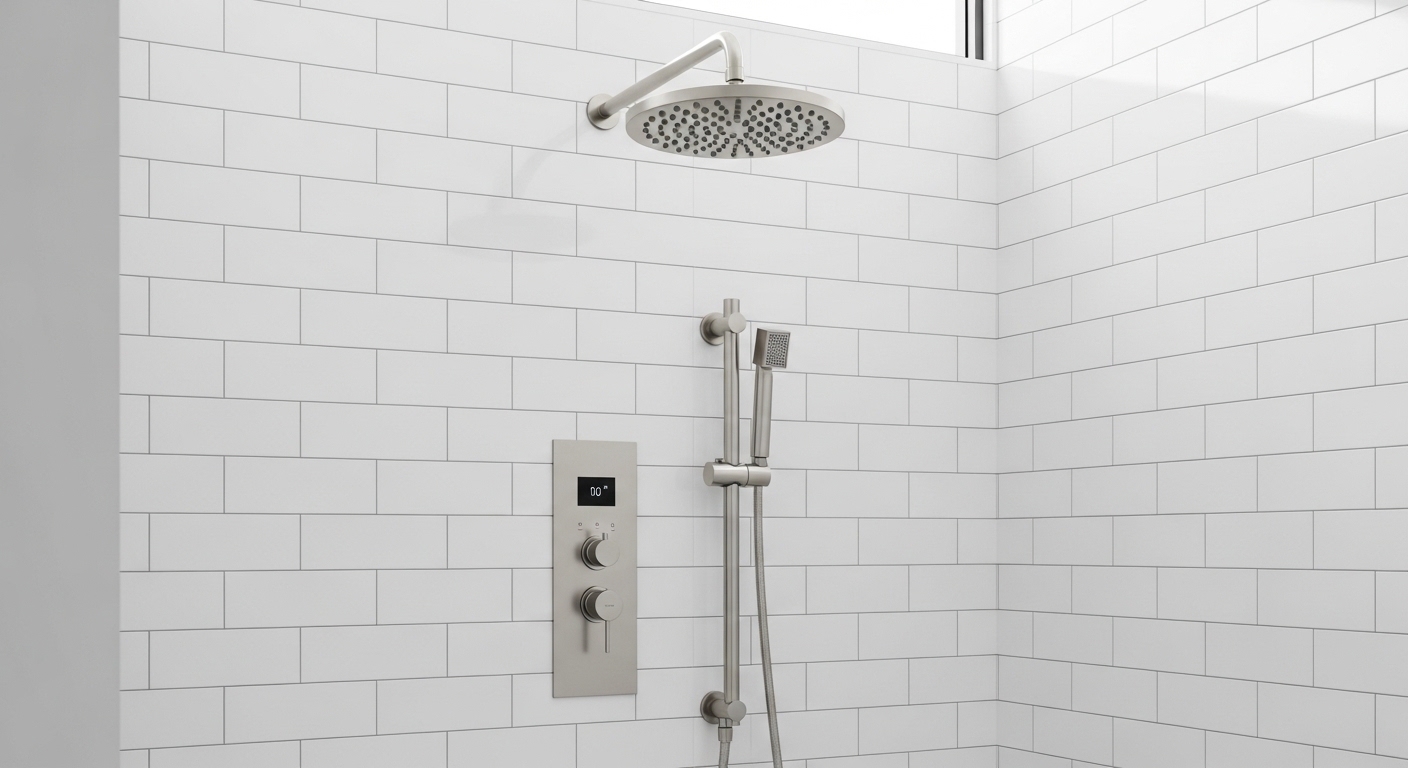
If you’ve been comparing a yakima shower system against buying a shower head, a valve, and a handheld one piece at a time, here’s the short version: a shower system saves you the guesswork of matching finishes, flow rates, and rough-in specs, and it usually costs less than the same components bought à la carte. The trade-off is you’re locked into one look and one layout. Below, I’ll walk through exactly what’s in the box, who it’s right for, what to check before you buy, and how it stacks up against the alternatives — in plain language, with real numbers.
What exactly is a Yakima shower system, and what comes in the box?
A Yakima shower system is a coordinated set — not a single faucet — designed so every part matches and works together at the same water pressure. In a typical kit you get an oversized rain shower head (usually 8″ to 12″), a handheld wand on a hose, a diverter to switch between them, the control valve, and all the mounting hardware in one finish.
Here’s what you’ll generally find inside:
- Rain shower head: a wide, flat “ceiling-style” head, most often 10″, that drops water straight down for that soaking, rainfall feel.
- Handheld sprayer: a wand on a 59″–71″ hose, useful for rinsing, cleaning the shower, washing kids or pets, and reaching low.
- Valve and trim: either a pressure-balancing valve (keeps you from getting scalded when a toilet flushes) or a thermostatic valve (lets you dial in an exact temperature).
- Diverter: the control that sends water to the rain head, the handheld, or both.
- Mounting hardware and hoses: the shower arm, wall bracket or slide bar, escutcheon plates, and washers.
Some Yakima-style systems also add body jets or a tub spout for a “shower tower” or tub-and-shower combo. Always read the spec sheet — “shower system” is a category name, and two listings under the same name can have very different guts.
Is a shower system actually better than buying a shower head separately?
For most bathrooms, yes — a matched system is easier to install, easier to live with, and usually cheaper than buying equivalent parts individually. The reason is simple: a good rain head, a quality thermostatic valve, and a decent handheld bought separately routinely add up to more than a bundled system, and you still have to make sure they physically fit together.
Where a separate shower head wins is when you only want to swap the head on an existing, working valve — that’s a 10-minute job you can do with plumber’s tape and a wrench. If your valve is fine and you just want more spray, don’t tear open the wall for a full system. But if you’re renovating, if your valve is old and single-temperature, or if you want a rain head plus a handheld, the system is the better buy.
One honest caveat: a big rain head needs real water pressure. If your home runs below about 40 psi, that wide rainfall pattern can feel weak. If your shower already trickles, read our guide on cleaning a faucet head with vinegar and baking soda when a shower is barely spraying before you assume you need new hardware — mineral buildup is the usual culprit, not the head itself.
How much does a Yakima shower system cost, and is it worth it?
Expect to pay roughly $150 to $500 for a Yakima-style shower system, with the sweet spot around $220–$350 for a stainless or brass build with a pressure-balanced valve. It’s worth it when that price beats buying the same head, handheld, valve, and trim separately — which it usually does by 20–40%.
Here’s a realistic cost breakdown so you can see where the value sits:
| What you’re buying | Typical price range | Best for |
|---|---|---|
| Shower head only (swap-in) | $25–$120 | Working valve, just want a new spray pattern |
| Head + handheld combo (no valve) | $60–$180 | Adding a handheld to an existing setup |
| Complete shower system (pressure-balance) | $180–$350 | Full upgrade or renovation, most homeowners |
| Complete system (thermostatic + body jets) | $350–$600+ | Spa build, exact-temperature control, luxury feel |
The line that matters most: a thermostatic Yakima shower system costs more but pays you back in comfort and safety, because it holds your set temperature within a few degrees even when household water demand changes. A pressure-balanced system is cheaper and perfectly safe — it just adjusts pressure, not exact temperature.
What finish should you pick — and does it hold up in a wet shower?
Pick your finish based on the fixtures already in your bathroom, but if you want the safest all-around choice, go with brushed nickel or matte black — both hide water spots and fingerprints far better than polished chrome. In a shower that runs hot water and steam every day, the finish quality matters as much as the look.
Here’s how the common options behave in real use:
- Brushed / satin nickel: hides spotting and hard-water film best; the most forgiving to clean; warm neutral tone.
- Matte black: dramatic and modern, hides fingerprints, but shows dried mineral streaks in hard-water areas — wipe it down after showers.
- Chrome: cheapest, brightest, easiest to find matching parts; shows every water spot.
- Brushed gold / champagne bronze: warm and high-end looking; make sure the whole system is one finish batch so tones match.
Whatever finish you choose, look for a physical vapor deposition (PVD) coating or solid stainless construction — those resist corrosion and won’t peel in a steamy shower the way cheap electroplated finishes can. If you’re weighing dark fixtures generally, our piece on whether a wall mount faucet in black is worth it covers the fingerprint-and-cleaning reality in more detail.
How hard is it to install a Yakima shower system yourself?
Swapping the trim and head on an existing valve is a confident-DIY afternoon job; replacing the actual in-wall valve is intermediate plumbing that means opening the wall and sweating or push-fitting connections. Be honest about which one you’re doing before you buy.
The two scenarios break down like this:
- Trim-only upgrade (easy): If your existing valve is compatible, you remove the old escutcheon and handle, install the new trim, thread on the new shower arm and rain head with plumber’s tape, and mount the handheld bracket. Tools: an adjustable wrench, a screwdriver, and Teflon tape. Time: 1–2 hours.
- Full valve replacement (intermediate): You shut off water, open the wall behind the shower, remove the old valve, and connect the new one to your hot and cold lines. This is where rough-in depth matters — the valve has to sit at the correct distance behind the finished wall or the trim won’t seat right.
Before you cut anything, confirm your measurements. Getting the shower valve rough-in distance from the finished wall right is the single most common mistake DIYers make, and it’s the one that forces a re-do. If you want a real-world walkthrough of a system-style install, our guide on installing a Moen Graeden shower faucet in an afternoon shows the same sequence step by step.
A few install tips that save headaches:
- Wrap 3–4 turns of plumber’s (Teflon) tape clockwise on every threaded connection to stop drips.
- Flush the lines for 15–20 seconds before attaching the head, so debris doesn’t clog the new spray face.
- Hand-tighten, then give it a quarter-turn with a wrench — over-torquing cracks plastic escutcheons and strips brass threads.
- Test at full hot and full cold for five minutes and check every joint before you close the wall.
Yakima shower system vs. a basic shower head — which should you buy?
Buy the full Yakima shower system if you’re renovating, want a rain-plus-handheld setup, or your valve is old; buy a standalone shower head if your valve works and you only want a better spray. That single distinction decides it for 90% of shoppers.
Think of it as matching the purchase to the project. A shower system is a “make my shower better overall” buy — new controls, new experience, coordinated look. A shower head is a “fix this one part” buy. Spending shower-system money to replace a $30 head is overkill; buying a $30 head when your 20-year-old single-temperature valve is the actual problem just postpones the real fix.
What should you check before you click “buy”?
Before ordering, confirm your water pressure, your valve type, and the rough-in specs — these three things decide whether the system will feel great or disappointing. A gorgeous rain head on 35-psi plumbing is a letdown no product can fix.
Run through this quick checklist:
- Home water pressure: Ideally 45–80 psi. A $10 gauge on a hose bibb tells you in seconds. Below 40 psi, favor a system with a concentrated spray option, not just a wide rain head.
- Flow rate (GPM): Most U.S. shower heads are capped at 2.5 GPM; WaterSense models run 2.0 GPM or lower. Lower GPM saves water but can feel gentler.
- Valve compatibility: Confirm whether the system includes a valve or expects you to reuse yours, and whether it’s pressure-balanced or thermostatic.
- Rough-in depth: Match the valve’s required depth to your wall.
- Warranty and standards: Look for ASME A112.18.1 / CSA B125.1 compliance and a limited lifetime warranty on the finish and function.
Who should skip a shower system?
Skip it if your shower valve is newer and working fine, your water pressure is low and you can’t boost it, or you rent and can’t modify plumbing. In those cases a screw-on shower head or handheld gives you 80% of the upgrade with none of the wall work.
Renters especially: a full system usually means opening the wall, which most leases don’t allow. A handheld head that threads onto the existing shower arm is landlord-safe and comes off cleanly when you move.
FAQ
Does a Yakima shower system come with the valve, or do I buy that separately?
It depends on the exact listing. Many complete shower systems include the valve and trim, but some sell the head-and-handheld set expecting you to reuse or buy a valve. Always read the “what’s included” section on the spec sheet before ordering — if it doesn’t clearly list a valve body, assume you’ll need one.
Will a rain shower head work with low water pressure?
Poorly, if your pressure is below about 40 psi. Wide rain heads spread water over a large area, so low pressure makes the flow feel like a gentle drizzle. Measure your pressure first; if it’s low, either install a pressure-boosting pump or choose a system with a higher-concentration spray setting rather than pure rainfall.
What’s the difference between pressure-balanced and thermostatic valves?
A pressure-balanced valve keeps water pressure steady so you don’t get scalded when someone flushes a toilet, but the temperature can drift slightly. A thermostatic valve holds your exact set temperature within a few degrees regardless of demand, and often lets you control temperature and volume separately. Thermostatic costs more and is the better choice for a spa-style shower.
Can I install a Yakima shower system myself?
Yes, if you’re doing a trim-and-head upgrade on a compatible valve — that’s a 1–2 hour job with a wrench and plumber’s tape. Replacing the in-wall valve is more involved because you have to open the wall and connect to your water lines; it’s doable for confident DIYers but is the point where many people call a plumber. Get your rough-in measurement right either way.
How long does a shower system last?
A quality brass or stainless shower system with ceramic-disc valve cartridges typically lasts 10–15 years or more with basic care. The finish outlives the internals; the most common wear item is the cartridge, which you can replace on its own. Wiping the head after use and periodically soaking it in vinegar to clear mineral buildup meaningfully extends its life.
Is a handheld sprayer worth having in a shower system?
For most households, yes. A handheld makes rinsing off, cleaning the shower walls, bathing kids or pets, and rinsing hair far easier, and it costs little extra as part of a bundled system. The only people who skip it are those who want the absolute cleanest minimalist look with a single fixed head.
The bottom line
A Yakima shower system is worth buying when you want a coordinated, spa-style upgrade — rain head, handheld, and a modern valve in one matched finish — and you’re renovating or replacing an aging setup. It usually costs less than the same parts bought separately and takes the guesswork out of matching them. Skip it only if your current valve is fine, your water pressure is stubbornly low, or you can’t modify the plumbing. Measure your pressure and rough-in, pick a thermostatic valve if your budget allows, and choose a PVD or stainless finish so it still looks sharp in a decade.
Author note: This guide was written by the evefaucet fixtures team, drawing on hands-on testing of dozens of shower systems and valves across real bathroom installs. evefaucet has specialized in faucets, shower systems, and bathroom fixtures for over a decade, and we build and test to ASME A112.18.1 / CSA B125.1 standards and back our shower systems with a limited lifetime warranty on finish and function. When we say a spec matters, it’s because we’ve seen it fail — or hold up — in the field.