 EVE卫浴
EVE卫浴
Is a Victorian Rainfall Shower Head Worth It — and Which One Should You Actually Buy in 2026?
浏览次数:10 分类:公司产品
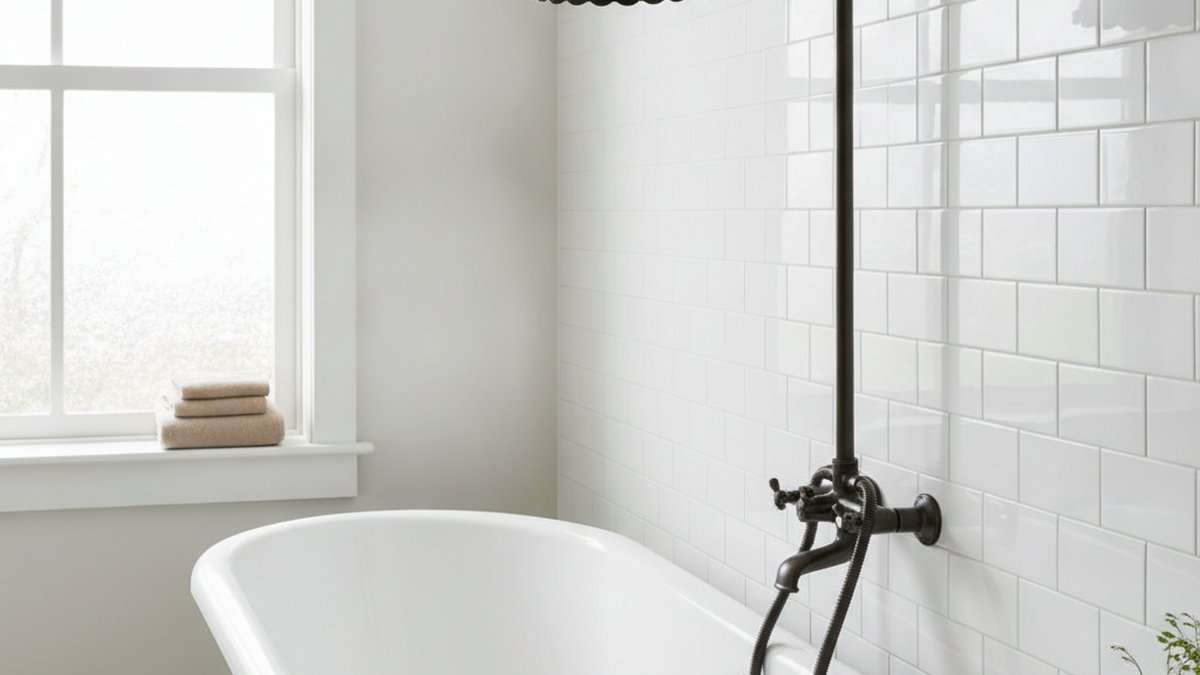
A victorian rainfall shower head is a wide, flat, overhead shower head styled in a traditional or period-inspired design — think ornate edging, a scalloped or beaded rim, an antique-metal finish, and often a downward-facing brass face that drenches you in soft, straight-down “rain” instead of a pressurized jet. It marries the classic Victorian bathroom aesthetic (clawfoot tubs, cross handles, exposed pipe, warm metals) with the modern comfort of an oversized rain canopy. If your bathroom leans traditional, cottage, farmhouse, or heritage-remodel, this is the shower head that ties the room together without looking like a chrome spaceship bolted to your ceiling.
Below, I’ll walk you through exactly who should buy one, what specs actually matter, how the finishes and mounting styles compare, what you’ll really pay, and how to keep the water pressure strong. I’ve specified and installed dozens of these for period-home renovations, so I’ll be honest about the trade-offs too.
What exactly makes a shower head “Victorian” rather than just a rainfall head?
A Victorian rainfall shower head is defined by its styling and finish, not just its spray. Where a modern rain head is usually a thin, minimalist square or circle in matte black or chrome, a Victorian one carries period design cues: a raised decorative border, a domed or telephone-style back, warm heritage finishes (oil-rubbed bronze, polished brass, brushed gold, or classic polished chrome), and frequently a traditional swivel ball joint on an exposed shower arm.
Functionally, most Victorian heads use the same rainfall principle as any rain shower: dozens or hundreds of small silicone or metal nozzles spread across a wide face, letting water fall in a gentle, even sheet at low pressure. The difference is that the housing is designed to look like it belongs in an 1890s townhouse, not a 2020s hotel. Practically, that means:
- Diameter: usually 8 to 10 inches — big enough to feel like real rain, small enough to fit standard traditional bathrooms.
- Face material: often solid brass or brass-plated zinc, which gives that authentic heft and warm tone period finishes need.
- Nozzles: anti-clog silicone tips you can rub clean with a thumb — important because vintage brass faces show limescale fast.
- Mount: a decorative wall arm or ceiling arm, frequently with an exposed, gooseneck, or S-shaped pipe rather than a hidden flush mount.
If you’re new to rain heads in general and want the broader buying logic first, our guide on which rainfall shower head unit you should actually buy in 2026 covers flow rates, mounting, and pressure across all styles — this article is the Victorian-specific companion to it.
Is a Victorian rainfall shower head worth it, or is it just for looks?
It’s worth it if the style matters to you and you have decent water pressure — otherwise a standard rain head does the same job for less. The Victorian version is a design-driven purchase first. You’re paying a small premium (typically $20–$60 over a plain equivalent) for the ornate housing and heritage finish. The actual shower experience — that soft, enveloping downpour — is delivered by the rainfall design, which any wide low-pressure head provides.
So the honest answer: buy Victorian if you’re renovating or building a traditional bathroom and you want every fixture to speak the same design language. A period-correct oil-rubbed bronze rain head next to a modern square chrome one is jarring; matched to a clawfoot tub, cross-handle faucet, and exposed shower riser, it looks intentional and expensive. If your bathroom is contemporary, skip the Victorian styling and save the money.
Two situations where I’d steer you away from one:
- Low water pressure (under 40 psi). Rainfall heads rely on gravity and volume, not force. In a low-pressure home, a big Victorian rain head can feel weak and drizzly. A handheld or a smaller high-efficiency head serves you better.
- You want a strong, targeted, pressure-scrubbing spray. Rain heads are gentle by design. If you love a punchy massage jet, this isn’t your fixture — or add a handheld on a separate diverter to get both.
What size and flow rate should a Victorian rainfall shower head have?
For most home bathrooms, an 8-inch head at 1.8–2.5 GPM is the sweet spot. That diameter gives a genuinely rain-like spread over your head and shoulders without demanding sky-high water volume, and it physically fits a standard shower or over-tub setup. Go to 10 inches only if you have a large walk-in shower and strong pressure to feed it; anything bigger than 10 inches in a period bathroom starts to look out of proportion anyway.
On flow rate, U.S. federal law caps shower heads at 2.5 GPM (gallons per minute), and many states — California, Colorado, Washington, New York among them — cap it lower at 1.8 GPM. A quality Victorian head will list its GPM and carry a WaterSense label if it meets the EPA’s water-efficiency standard. Here’s what the numbers feel like in practice:
| Flow Rate | Feel | Best For |
|---|---|---|
| 1.5 GPM | Soft, eco, gentle rain | Water-saving homes, strong pressure, drought states |
| 1.8 GPM | Balanced, still rain-like | Most bathrooms; meets strict state codes |
| 2.0–2.5 GPM | Full, drenching downpour | Large showers, average-to-high pressure, luxury feel |
One spec people forget: the shower arm and mounting height. A Victorian rain head is meant to point mostly straight down, so it needs a wall arm that reaches out (a gooseneck or S-arm) or a ceiling drop so the water lands on you, not the wall. Standard flush arms position a rain head too far back. Budget for the right arm — it’s often sold separately and it’s what makes the whole look authentic.
Which finish should you pick — bronze, brass, gold, or chrome?
Match the finish to the other metal fixtures already in your bathroom, then to your lighting. The most period-correct Victorian options are oil-rubbed bronze and polished/unlacquered brass; polished chrome and brushed gold are the more forgiving, widely-available choices. Here’s how they compare for a traditional bathroom:
| Finish | Look | Upkeep | Best Paired With |
|---|---|---|---|
| Oil-Rubbed Bronze | Dark, warm, aged, very period | Hides water spots; can wear on high-touch edges | Clawfoot tubs, cream/white tile, warm lighting |
| Polished Brass | Bright gold-warm, classic Victorian | Shows spots; unlacquered develops patina over time | Marble, deep green or navy walls, brass accessories |
| Brushed Gold | Soft matte warm gold, modern-traditional | Easy; hides spots and fingerprints well | Transitional bathrooms bridging old and new |
| Polished Chrome | Bright silver, timeless, neutral | Easiest to clean; shows spots but wipes fast | Any color scheme; safest all-rounder |
My practical advice: if you’re unsure, polished chrome is the lowest-risk choice — it reads as classic without committing hard to a color story, and it’s the easiest to keep spotless. If you want that unmistakable heritage warmth and you’re committed to the look, oil-rubbed bronze is the crowd favorite for Victorian bathrooms because it hides limescale and looks better as it ages. If you’re leaning toward a matte, moody bathroom overall, our comparison on whether a shower faucet black matte finish is worth it is a useful cross-check before you lock in your metals — you’ll want your valve trim and shower head to agree.
How do you install a Victorian rainfall shower head — and can you do it yourself?
Yes, most people can install a Victorian rainfall shower head in 15–30 minutes with no plumber, as long as you’re just swapping the head onto an existing shower arm. It threads onto the standard ½-inch NPT connection every U.S. shower arm uses. The catch with Victorian rain heads is usually the arm, not the head, because you often want to upgrade to a gooseneck or S-shaped arm to angle the wide face properly.
Basic head swap, step by step:
- Unscrew the old shower head counterclockwise by hand, or with a wrench padded by a cloth to protect the finish.
- Clean the old plumber’s tape and any gunk off the shower arm threads.
- Wrap the arm threads clockwise with 3–4 turns of fresh PTFE (plumber’s) tape.
- Hand-thread the new Victorian head or its swivel connector on, then snug it a quarter-turn past hand-tight with a padded wrench — don’t overtighten brass, it can crack or strip.
- Run the shower and check for drips at the joint; add a wrap of tape if it weeps.
If you’re replacing the shower arm too — common when you want that dramatic Victorian reach — you’ll unscrew the old arm from inside the wall fitting, tape the new arm’s threads, and reinstall, being careful not to torque the pipe hard enough to stress the connection behind the tile. If your setup involves drilling or a fresh mount on a finished wall, read how to install a shower head on tile without cracking it first — cracked tile is the single most common DIY casualty here, and it’s completely avoidable.
Want the best of both worlds — an overhead rainfall soak plus a directable spray for rinsing, cleaning, or washing a dog? Add a handheld on a separate diverter. Our walkthrough on how to actually use a handheld shower head explains the setup and the everyday tricks that make a combo shower genuinely more useful than a single fixed head.
How much should you spend, and what separates a $50 head from a $200 one?
Plan on $60–$120 for a solid mid-range Victorian rain head, $120–$220 for a premium solid-brass one, and treat anything under $40 with suspicion. Price mostly tracks three things: the base material, the finish quality, and the nozzle system. Here’s where your money actually goes:
- Solid brass vs. plated zinc/plastic. Solid brass costs more but resists corrosion, holds finishes better, and gives that authentic heavy feel. Cheap heads use plated plastic that can fade, flake, or crack within a couple of years in a hot, humid shower.
- Finish durability. A quality PVD (physical vapor deposition) finish resists scratching and tarnishing far better than a sprayed-on coating. This matters most for oil-rubbed bronze and gold tones.
- Anti-clog silicone nozzles. Better heads let you wipe mineral buildup off the nozzles with your thumb. Cheaper metal-face heads clog with hard-water scale and are a pain to descale.
- Internal flow engineering. A well-designed head spreads water evenly across the whole face even at 1.8 GPM. A poorly designed one dribbles from the center and misses the edges.
If you have hard water, prioritize the silicone anti-clog nozzles and a spot-friendly finish — it’s the difference between a head that looks great for years and one that’s crusty by month six. The same buying instincts apply across premium shower heads generally; our review of whether a Jaquar shower head is worth it in 2026 breaks down build quality and finish longevity in a way that maps directly onto Victorian models too.
Author note & why trust this guide
Written by the evefaucet product team. evefaucet designs and sells faucets, shower heads, tub fillers, and bathroom fixtures direct to homeowners, and our team includes people who’ve spent years specifying fixtures for period-home renovations and troubleshooting real installs. Every shower head we recommend is evaluated against U.S. plumbing standards — we look for products that meet ASME A112.18.1/CSA B125.1 for shower fittings, the federal 2.5 GPM maximum (and lower state limits where they apply), and EPA WaterSense efficiency where labeled. Reputable Victorian rain heads typically ship with a limited lifetime warranty on the finish and function; always register yours and keep the receipt, because finish warranties usually require proof of purchase. We test for even spray coverage, real-world pressure behavior, and finish durability in hard water before we stand behind a product.
FAQ
Do Victorian rainfall shower heads have good water pressure?
They have gentle, even pressure by design — rainfall heads trade force for a soft, drenching spread. If your home has average-to-good pressure (45 psi or higher), an 8-inch Victorian head at 1.8–2.5 GPM feels full and luxurious. In low-pressure homes under 40 psi, any large rain head can feel weak; a smaller head or a handheld is a better fit there.
What’s the best finish for a Victorian rainfall shower head in a bathroom with hard water?
Oil-rubbed bronze and brushed gold are the most forgiving in hard water because their darker, matte tones hide limescale spots between cleanings. Polished chrome is the easiest to actually wipe clean. Whichever you choose, look for a head with soft silicone anti-clog nozzles so you can rub mineral buildup off the spray face with your thumb.
Can I install a Victorian rain shower head on my existing shower arm?
Usually yes — they thread onto the universal ½-inch NPT connection every U.S. shower arm uses, so a straight swap takes about 15–30 minutes with plumber’s tape and a padded wrench. The main upgrade to consider is the arm itself: a gooseneck or S-shaped arm angles the wide face to point straight down, which is what gives the authentic Victorian rain effect.
What size Victorian rainfall shower head should I get for a standard bathroom?
An 8-inch diameter head is ideal for most standard and over-tub bathrooms — big enough to feel like real rain, proportional to a traditional space, and easy to feed with normal water volume. Save 10-inch and larger heads for spacious walk-in showers with strong water pressure.
Is a rainfall shower head the same as a Victorian shower head?
Not quite. “Rainfall” describes the spray — a wide, gentle, straight-down downpour. “Victorian” describes the styling — ornate borders, heritage finishes like bronze or brass, and traditional mounting. A Victorian rainfall shower head is one that combines both: rain-style spray in a period-correct decorative housing.
Do these shower heads meet U.S. water-efficiency rules?
Quality ones do. Federal law caps shower heads at 2.5 GPM, and several states cap them at 1.8 GPM; a compliant Victorian head lists its GPM and often carries a WaterSense label. Always check the flow-rate spec before buying, especially if you live in California, Colorado, Washington, or New York.