 EVE卫浴
EVE卫浴
Faucet Aerator Blocked? Why Is My Tap Barely Trickling — and How Do I Fix It?
浏览次数:328 分类:公司产品
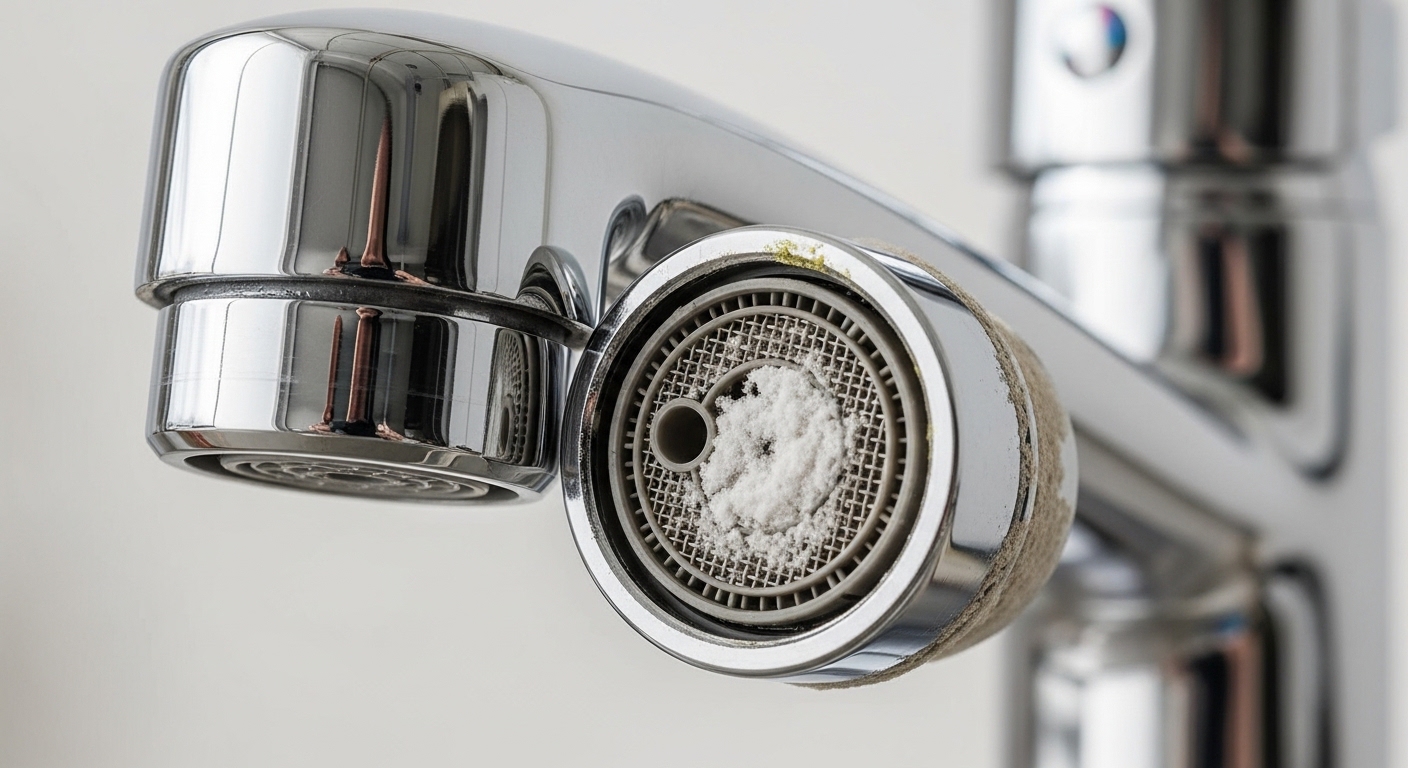
If your faucet aerator is blocked, you’ll notice it fast: the stream that used to gush now sputters, splits into weird side-sprays, or drops to a sad little trickle even though every other tap in the house is fine. The good news is that a blocked aerator is one of the most common — and most fixable — faucet problems out there, and you almost never need a plumber for it. Below, I’ll walk you through exactly what’s clogging it, how to clean it, when to just replace it, and how to stop it from happening again.
What exactly is a faucet aerator, and why does it get blocked?
A faucet aerator is the small screened cap threaded onto the very tip of your spout. Its job is to mix air into the water so the stream comes out soft, straight, and splash-free — and to save water (a good aerator cuts flow to 1.0–2.2 gallons per minute without you noticing). It gets blocked because that fine mesh screen is the first thing every particle in your water hits.
Three things clog it, in order of how common they are:
- Limescale (mineral scale): If you have hard water — and roughly 85% of U.S. homes do — dissolved calcium and magnesium slowly crust onto the screen as chalky white deposits. This is the number-one cause.
- Sediment and grit: Sand, silt, and pipe debris, especially after the city flushes the mains or you’ve had work done on your plumbing.
- Rust and pipe flakes: Common in older homes with galvanized steel pipes, or right after a water heater flush. You’ll see orange or black specks trapped in the mesh.
Here’s the quick diagnostic that saves you time: remove the aerator entirely and turn the tap back on. If the water suddenly blasts out at full pressure with the aerator off, your aerator is the culprit — clean or replace it. If the flow is still weak with the aerator removed, the problem is upstream (the supply valve, the cartridge, or the line itself), and you’ve just ruled the aerator out.
How do I clean a blocked faucet aerator with vinegar (step by step)?
To clean a blocked faucet aerator, unscrew it, disassemble the parts, soak everything in white vinegar for 30–60 minutes to dissolve the scale, scrub the screen, then reassemble. Here’s the full process:
- Protect the finish. Wrap the aerator in a cloth or a strip of masking tape before you grip it — this keeps pliers from scratching your chrome or brushed nickel.
- Unscrew it. Turn counterclockwise (as you look up at the spout). Hand-tight usually loosens; if it’s stuck with scale, use taped pliers or a proper aerator key. Most standard aerators unthread; some newer “cache” or hidden aerators need a small plastic key that came with the faucet.
- Take note of the order. Lay the parts out left to right as they come off — you’ll typically find the housing, a rubber washer/gasket, a plastic flow restrictor, and the mesh screen. Photograph it with your phone so reassembly is foolproof.
- Soak in white vinegar. Drop every part into a cup of plain white vinegar for 30 minutes (up to overnight for heavy scale). The acid dissolves calcium and lime.
- Scrub and poke. Use an old toothbrush on the screen, and clear stubborn holes with a toothpick or a straight pin. Don’t use anything metal that could enlarge the holes.
- Rinse and reassemble in the exact reverse order, then hand-tighten back onto the spout — snug plus a gentle nudge with the cloth, not gorilla-tight.
Turn the water on and check for two things: full flow restored, and no leaks dripping around the threads. If it drips, you either cross-threaded it or the washer is worn — re-seat it, and replace the washer if needed. The same vinegar trick works on shower heads and sprayers, too; if your sink sprayer is the thing acting up, here’s a dedicated walkthrough on why a sink sprayer barely trickles and how to fix it, and if it’s a shower head, this guide on cleaning a faucet head with vinegar and baking soda covers the soak method in detail.
Should I clean my blocked aerator or just replace it?
Clean it first — it’s free and usually works. Replace it only if the screen is torn, corroded, cracked, or so scaled that cleaning doesn’t restore flow, or if the plastic threads are stripped. A new standard aerator costs $3–$12, so replacement is cheap insurance if yours is more than a few years old and living in hard water.
Here’s how the two paths compare so you can decide in ten seconds:
| Situation | Clean it | Replace it |
|---|---|---|
| White chalky scale, screen intact | ✅ Best choice — vinegar soak | Optional |
| Torn or bent mesh screen | ❌ Won’t hold flow pattern | ✅ Replace |
| Stripped or cross-threaded housing | ❌ Will keep leaking | ✅ Replace |
| Rust flakes but screen is fine | ✅ Clean, then watch it | If it re-clogs fast |
| Aerator is 5+ years old, hard water | Works short-term | ✅ Cheap upgrade |
One catch when you replace: aerators come in different sizes and genders. Measure or bring the old one to the store. The common threads are:
| Aerator type | Where the threads sit | Typical spout |
|---|---|---|
| Male (external threads) | On the outside of the aerator | Female spout tip |
| Female (internal threads) | Inside the aerator housing | Male spout tip |
| Regular / Junior / Tom Thumb sizes | Varies (15/16″, 55/64″, 13/16″) | Kitchen vs. bath vary |
| Cache (hidden) aerator | Recessed inside spout, needs a key | Modern pull-down faucets |
Why does my aerator keep clogging so fast — is it my water?
Yes — if your aerator re-clogs within weeks or a few months, hard water or aging pipes are the real cause, and the aerator is just where you see the symptom. A clean aerator that stays clear for a year is normal; one that scales over every 4–8 weeks is telling you the water itself needs addressing.
What’s actually going on:
- High mineral content (hardness above ~7 grains per gallon): More dissolved calcium means faster scale. A whole-house water softener is the permanent fix; a cheaper interim move is simply cleaning the aerator on a schedule.
- Recent plumbing work or a water main break: Stirred-up sediment can clog every aerator in the house at once. Clean them all, and run the tub spout (which has no aerator) wide open for a minute to flush the lines first.
- An old water heater or galvanized pipes shedding rust: If only the hot side clogs and comes out rusty, suspect the water heater. Draining and flushing the tank often helps.
- You skipped cleaning the flow restrictor: The little plastic disc behind the screen catches grit too — clean it, not just the mesh.
A useful clue: if only one temperature is weak — say the cold side is fine but hot barely comes out (or vice versa) — the blockage may not be the aerator at all but sediment in that supply line or valve. This guide on why only the cold side runs at low pressure walks through isolating a single-side pressure drop step by step.
The aerator won’t unscrew — how do I get a stuck one off without breaking the faucet?
If a blocked aerator is seized on, don’t force it dry. Wrap the housing in cloth or tape, apply penetrating help, and use gentle, steady leverage — never sudden yanks that can snap plastic threads or twist the spout. Here’s the sequence that works:
- Break the scale bond first. Lay a vinegar-soaked paper towel or rag over the aerator for 20–30 minutes. Dissolving the crusted lime around the threads often lets it turn by hand afterward.
- Get grip without damage. Wrap the aerator in a rubber band, then a cloth, then grab with slip-joint pliers or an adjustable wrench. The rubber adds friction and protects the finish.
- Apply steady counterclockwise force. Firm and slow beats hard and fast. If it’s a hidden cache aerator, use the plastic removal key — pliers will just chew it up.
- Heat as a last resort. A hair dryer on the metal housing expands it slightly and can break a stubborn scale seal. Skip open flame near a spout.
- If it truly won’t budge, a full replacement aerator is a few dollars — worst case you sacrifice the old one rather than risk cracking the spout tip.
A quick word on hardware: quality matters here. A solid brass aerator housing with a stainless screen resists corrosion and comes loose far more easily years later than a bargain all-plastic unit that fuses with scale. At evefaucet we spec brass-bodied aerators on our kitchen and bath faucets for exactly this reason.
How often should I clean my faucet aerator to keep pressure strong?
Clean your aerator every 3–6 months in hard-water areas, or once a year if your water is soft. Think of it like changing a filter — a two-minute rinse on a schedule prevents the slow, sneaky pressure loss that most people don’t even notice until the stream is half of what it used to be.
A simple maintenance rhythm:
- Hard water (visible white spots on glasses): Soak every 3 months.
- Moderate water: Every 6 months.
- Soft/softened water: Once a year, or whenever flow dips.
- After any plumbing work or a water outage: Clean immediately, because sediment gets stirred up.
If you keep the aerator clean and the pressure is still weak everywhere, the issue has moved deeper into the faucet — often a worn or debris-packed cartridge, not the aerator. That’s a different (but still DIY-friendly) repair, and it can also be behind drips and pressure problems throughout the fixture.
FAQ
Can a blocked aerator cause low water pressure in just one faucet?
Yes — that’s the classic signature of a blocked aerator. If a single faucet is weak while every other tap in the house runs strong, the aerator is the first thing to check. Unscrew it and test the flow; if pressure returns with the aerator off, you’ve found your problem.
What can I use instead of vinegar to clean a faucet aerator?
Store-bought lime and scale removers (like CLR, used per label) work faster on heavy deposits, and a paste of baking soda and water helps scrub grit. But plain white vinegar is the safest, cheapest option for regular cleaning and won’t harm chrome, nickel, or brass finishes. Avoid harsh acids or bleach, which can damage seals and coatings.
Will removing the aerator permanently increase my water pressure?
It increases flow, not true pressure, and it’s not a good permanent fix. Without the aerator you lose the water savings, get a harsh splashy stream, and expose the spout to debris. Clean the aerator instead — you’ll get the strong flow back while keeping the soft, controlled stream and lower water bill.
Why is my aerator clogged with black or pink gunk instead of white scale?
Black flecks are usually degraded rubber from a failing washer or supply hose, or manganese in your water; pink or slimy residue is typically Serratia marcescens, a harmless airborne bacteria that loves moist fixtures. Clean the aerator with vinegar, replace any crumbling rubber washer, and wipe the spout regularly to keep the pink film from returning.
Do all faucets have an aerator I can unscrew?
Almost all standard kitchen and bathroom sink faucets do, but the style varies. Many modern pull-down and pull-out spray faucets use a recessed “cache” aerator that needs a small plastic key (included with the faucet) rather than pliers. Tub spouts and most shower heads don’t have a threaded sink-style aerator, though shower heads clog the same way and clean with the same vinegar soak.
Is it worth calling a plumber for a blocked aerator?
Rarely. Cleaning or replacing an aerator is about the most beginner-friendly plumbing task there is — no shutoff valves, no tools beyond pliers, and a $5 part if you need one. Save the plumber for when the pressure stays low after the aerator is clean, which points to a cartridge, valve, or supply-line issue.
About the author: This guide was written by the evefaucet product team, drawing on hands-on testing of kitchen and bath faucets across a range of U.S. water-hardness conditions. We’ve disassembled, soaked, and re-flowed hundreds of aerators to see how different screen materials and housings hold up over years of scale exposure.
Why trust evefaucet: evefaucet designs and sells faucets, shower systems, and bathroom fixtures direct to homeowners. Our faucet aerators use brass housings and stainless-steel mesh, are tested to meet U.S. flow-rate standards (2.2 GPM or lower, in line with WaterSense guidance), and are backed by our limited warranty on defects in materials and workmanship. If a component fails under normal use, we replace it — because a faucet should keep its pressure for years, not months.