 EVE卫浴
EVE卫浴
Where Can You Find a Brass Faucet Nearby — and Is Buying Local Actually Better Than Ordering Online?
浏览次数:338 分类:公司产品
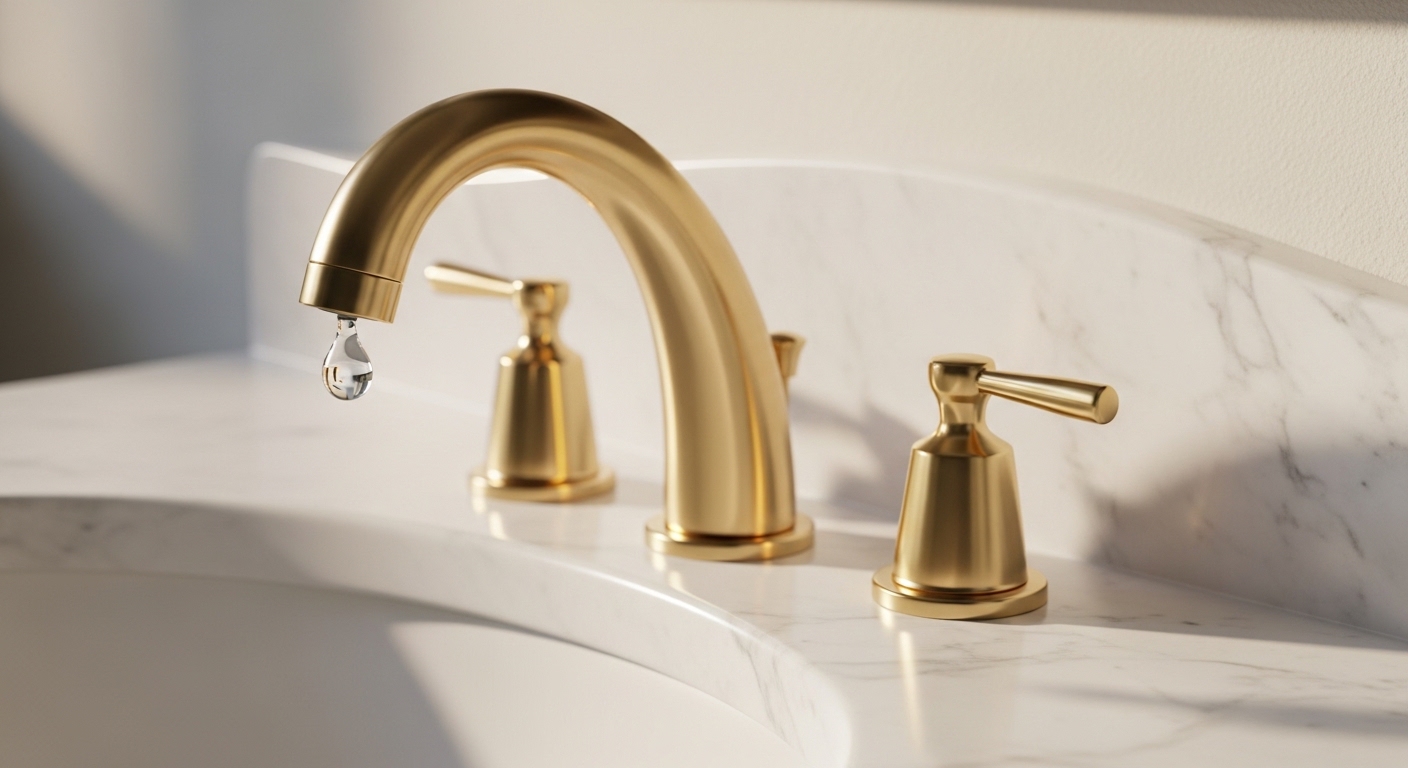
If you’ve been searching for a brass faucet nearby, you’re probably running into the same frustration everyone does: the big-box store two miles away stocks maybe three “brass” finishes, most of them are actually chrome or zinc with a coating, and nobody behind the counter can tell you whether the body is solid brass or pot metal. That matters more than the color. A true brass faucet is about the material the valve body is cast from — and that single fact decides whether your faucet lasts 3 years or 30. This guide breaks down where to actually buy one locally, how to tell real brass from a look-alike, what you should pay, and when ordering online beats driving around town.
Where Can You Actually Buy a Brass Faucet Nearby?
You have four realistic local options: a plumbing supply house, a dedicated bath-and-kitchen showroom, a home-improvement warehouse (Home Depot, Lowe’s, Menards), and a hardware store. Of these, plumbing supply houses and showrooms are your best bet for genuine solid brass, because they carry professional-grade brands and staff who actually know the difference between solid brass and brass-plated.
Here’s the honest breakdown of what each option gets you:
- Plumbing supply houses (Ferguson, local wholesale suppliers): Best material quality and expert help. They sell to plumbers, so the product is built to last. Downside — smaller display selection and sometimes trade-only pricing unless you ask.
- Bath & kitchen showrooms: You can touch and see finishes in person, which is genuinely useful for brass because “brass” ranges from bright polished gold to warm brushed champagne. Prices run higher, though.
- Home-improvement warehouses: Convenient and returnable, but a large share of their “brass” faucets are brass-finished over zinc alloy. Read the spec sheet, not the marketing name.
- Neighborhood hardware stores: Great for a same-day replacement washer or an outdoor hose bibb, rarely the place for a designer solid-brass lav faucet.
If you type “brass faucet nearby” into your phone at 9 p.m., you’ll get store listings — but store listings don’t tell you what’s in stock or whether it’s solid brass. Call ahead and ask one specific question: “Is the faucet body solid brass, or brass-plated over zinc?” A supplier who knows their catalog will answer in five seconds. That single call saves you a wasted trip.
How Do You Tell Real Solid Brass From a “Brass Finish” Fake?
The fastest test is a magnet: solid brass is non-magnetic, so if a fridge magnet sticks to the faucet body, it’s zinc or steel with a brass coating — not solid brass. Weight is the second tell — solid brass feels noticeably heavy and dense in your hand, while a coated-zinc faucet feels hollow and light for its size.
This is the whole ballgame for a brass faucet, so it’s worth getting right. “Brass” on a product page can mean three very different things, and the price gap between them is huge:
| What the label says | What it actually is | Lifespan | Typical price |
|---|---|---|---|
| Solid brass | Body cast from a brass alloy (copper + zinc), corrosion-resistant | 20–30+ years | $90–$400+ |
| Brass finish / brass tone | Zinc or steel body with a thin brass-colored plating (often PVD) | 5–12 years | $40–$120 |
| Antique/aged brass (decorative) | Could be either — depends entirely on the body material | Varies wildly | $30–$300 |
A few more ways to verify before you pay:
- Read the spec sheet, not the title. Look for “solid brass body” or “lead-free brass” (often labeled as meeting a low-lead standard). If it only says “metal” or “premium alloy,” assume it’s not solid brass.
- Check the underside or inlet threads. Exposed uncoated metal on a solid-brass faucet shows a warm yellow-gold color; plated zinc shows silvery metal under any chip.
- Ask about the finish process. Quality brass faucets use PVD (physical vapor deposition) coatings that resist scratching and tarnish — a good sign the maker cares about durability.
Is Buying a Brass Faucet Nearby Cheaper Than Ordering Online?
Usually no — for genuine solid brass, online specialists are typically 15–40% cheaper than a local showroom for a comparable spec, because showrooms carry overhead and stock a limited range. Local can win on two things: you avoid shipping time, and you can return it in person if it’s wrong. But for selection and price on solid brass, online almost always beats the store down the street.
Think about what you’re really paying for. A local showroom marks up to cover rent, staff, and display samples. That’s fair — you’re getting hands-on service. But if you already know you want, say, a widespread solid-brass lavatory faucet in brushed brass, you don’t need to pay showroom markup to get it. You need to confirm the material spec, the finish, and the hole configuration — all of which a good online product page lists in detail.
Where “nearby” genuinely wins: emergencies (your only bathroom faucet snapped and you need it working tonight), and situations where you truly can’t judge a finish from a photo. Brass finishes photograph inconsistently — a “champagne brass” can look gold on one screen and bronze on another. If the exact warm tone is critical to your bathroom, seeing a physical sample matters. For everything else, online ordering with a solid return policy gives you more choice at a better price.
Which Rooms and Sinks Suit a Brass Faucet Best?
Brass works almost anywhere, but it shines in bathrooms, powder rooms, and kitchens where you want warmth instead of cold chrome — and it pairs especially well with white, black, or natural-stone sinks. The finish (polished, brushed, or antique) matters more than the room for how it reads.
A few pairing guidelines that actually hold up in real bathrooms:
- White porcelain or fireclay sinks: Brass adds a warm, high-end contrast. This is the classic look and hard to get wrong.
- Black or dark stone sinks: Brass against black is dramatic and modern — similar in spirit to the way people debate a chrome tap on a black sink, except brass reads warmer and more intentional.
- Mixed-metal bathrooms: If you already have other finishes in the room, plan the combination the way you would when deciding whether a brushed nickel faucet goes with a stainless steel sink — pick one dominant metal and let brass be the deliberate accent, not an accident.
Material-wise, brass sits alongside copper as one of the two “warm metal” choices. If you’re weighing them, the same logic that applies to a copper faucet for the laundry room applies here: both are durable, both develop character over time (unless sealed), and both cost more than chrome — but brass is generally easier to keep looking uniform because quality PVD brass finishes resist the living patina that raw copper develops.
What Should You Look For Before You Buy — Holes, Handles, and Fit?
Before you buy any brass faucet, local or online, confirm three things: how many mounting holes your sink or countertop has, the handle configuration you want, and the reach/height that fits your basin. Get these wrong and even the best solid-brass faucet won’t install.
Match the faucet to your existing hole layout so you don’t end up drilling stone or hunting for a cover plate:
- Count your holes. One hole means single-hole faucet; three holes usually means centerset (4″ spread) or widespread (8″–16″). If you’re unsure which layout you want, the breakdown in centerset vs widespread vs single-hole walks through exactly which one to buy for a given sink.
- Check the spout reach and height. A tall gooseneck brass faucet looks stunning but can splash in a shallow basin. Measure from the deck to where the water should land.
- Confirm the valve and cartridge. A quality brass faucet uses a ceramic-disc cartridge for smooth, drip-free operation. If you ever do get a drip years down the line, it’s almost always the cartridge — the same part explained in what the cartridge in a faucet handle does — not the brass body failing.
- Verify it’s lead-free. Any faucet delivering drinking water should meet current low-lead standards. Reputable brass faucets are made from lead-free brass alloys specifically for this reason.
How Do You Keep a Brass Faucet Looking Good for Years?
Wipe it dry after use and clean it with mild soap and water — never abrasive pads, acidic cleaners, or bleach, which strip finishes. A quality PVD brass finish needs almost no maintenance; a lacquered or living-finish brass needs a gentler touch. That’s the entire routine.
Here’s why that simple habit matters. Most “my brass faucet looks bad” complaints come from two things: hard-water mineral buildup around the aerator and spout, and someone scrubbing the finish with the wrong product. For mineral spots, a soft cloth dampened with equal parts water and white vinegar, applied only to the affected spot and rinsed off quickly, handles buildup without harming a sealed PVD finish — the same gentle approach that works when you clean a faucet head with vinegar on a low-flow sprayer. Just don’t soak an unsealed living-finish brass in vinegar; test a hidden spot first.
One more thing that surprises people: solid brass is the reason the faucet keeps looking good structurally. Because the body doesn’t corrode from the inside the way plated zinc eventually does, you don’t get the pitting and bubbling under the finish that ruins cheaper faucets after a few years. You’re paying for the finish you see and the metal you don’t.
Why Buy Your Brass Faucet From evefaucet?
evefaucet specializes in solid-brass faucets and bathroom fixtures — not chrome-plated zinc dressed up with a brass name. Every faucet body is cast from lead-free brass, finished with durable PVD coatings, and backed by a warranty, so you can verify the exact material and spec before you buy instead of guessing at a big-box shelf.
The whole reason people search “brass faucet nearby” is trust — you want to see and confirm what you’re getting. An online specialist solves that a different way: instead of a two-word product title, you get the full spec sheet (body material, finish type, cartridge, hole configuration, flow rate, dimensions) so nothing is hidden. That transparency, plus a return policy and warranty, replaces the reassurance of standing in a showroom — usually at a lower price and with far more finishes in stock.
FAQ
Are all brass faucets solid brass?
No. Many faucets labeled “brass” are actually zinc or steel with a thin brass-colored plating. Only faucets that specifically state “solid brass body” are cast from brass all the way through. Use the magnet test — a magnet won’t stick to solid brass — and check the weight, since solid brass feels dense and heavy.
Is a brass faucet worth the extra money?
Yes, if you want longevity. A solid-brass faucet typically lasts 20–30+ years and resists corrosion far better than plated-zinc alternatives, which often fail in 5–12 years. Over the life of the fixture, solid brass usually costs less per year despite the higher upfront price.
Do brass faucets tarnish or turn green?
Modern brass faucets with a sealed PVD finish resist tarnishing and won’t turn green under normal use. Only raw or unlacquered “living finish” brass develops a patina over time — and that’s usually intentional. If you want a permanently bright look, choose a sealed or PVD brass finish.
What’s the difference between brass and brushed gold or champagne bronze?
Those are finish colors, not materials. “Brushed gold,” “champagne bronze,” and “brushed brass” describe the surface tone and texture, and any of them can be applied over a solid-brass body or a cheaper zinc body. Always confirm the underlying body material separately from the finish name.
Can I install a brass faucet myself?
Yes — most brass bathroom and kitchen faucets install with the same basic steps and tools as any other faucet: shut off the supply lines, mount the faucet through the sink holes, connect the supply hoses, and test for leaks. Just confirm your sink’s hole count and spread match the faucet before you start.
Is buying a brass faucet online safe if I can’t see it first?
Yes, as long as you buy from a specialist that publishes the full spec sheet and offers a return policy and warranty. Because the biggest risk with brass is material substitution (plated zinc sold as “brass”), a detailed spec listing the solid-brass body actually gives you more certainty than a vague big-box shelf label.
Author note: This guide was written by evefaucet’s fixtures team, drawing on hands-on testing of solid-brass and plated faucets, real installation experience, and current low-lead plumbing standards. evefaucet manufactures and sells lead-free solid-brass faucets backed by warranty, and every product spec is published so you can verify the material before you buy.